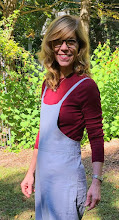
Saturday, September 2, 2017
14 years in Melanoma World...
It is hard to believe I have spent 14 years living with melanoma. It seems like a blink. It seems like forever. It has not been easy, but what life is? Rather than running away from it, I chose to dig deeper into this crazy world and its amazing peeps. With that choice, I have lost many dear ones, made lifetime friends, cried many tears, and laughed out loud.
I know I am one lucky bug! Literally: From September 2016 - Lucky Bugs
I've gotten to live, work, play, travel. I still run, hike and exercise. I am blessed to be able to play in the dirt, make pretty things, help others as best I can, and laugh with lovely friends and family. For all of that and more, I am thankful! Lucky Me!!! I'm 53! Living with melanoma and HOPE!!!
With that here are my updated annual stats:
168 months (14 YEARS!!!!) post my original melanoma diagnosis in 2003 at the age of 39
88 months Stage IV (more than 7 years!!!)
82 months NED
80 months after starting nivo (Opdivo)
50 months (more than 4 years) AFTER my last nivo infusion in June 2013.
As such, I don't have much of a bucket list. Partly because I have been utterly spoiled ('Rurnt', per the girls at work!!!) for the past 29 years by my dear, sweet B!!! Beside him I've been able to find excellent melanoma care; enjoy our beautiful children; work hard at a career I've loved; share a nice home; see places I never dreamed I'd see; travel in buses, boats, planes, trains, and even a hot air balloon; learn new skills (or at least play at them) with his endless patience for my evolving "enthusiasms" and unflinching support.
Now my plan is to carry on. Working, playing and living as much as I can each day. I hope to be able to do my small part to make the world a better place. I loved The God of Small Things, by Arundhati Roy. Given the mayhem across the globe and the simultaneous devastation and fortitude
being endured and exemplified daily in Texas, I thought this was perfect:
"Another world is not only possible, she is on her way. On a quiet day, I can hear her breathing." ~ Arundhati Roy
Another world is on her way... For my melanoma peeps...for all of us. See you there ~ love, les


Friday, September 1, 2017
Immunotherapy for melanoma with a pre-existing autoimmune disease??? YES!!! You can!
I've ranted and railed about the exclusion of ever so many groups in melanoma treatment...especially in trials - brain mets/CNS disease, previously treated, pre-existing autoimmune disease, other illnesses.... Sooooooo many times. Let's think this through shall we? What happens to untreated melanoma patients?????? Yep. Enough said!
I wrote this post regarding folks with preexisting autoimmune disease earlier this year:
Patients with preexisting immune disease, melanoma, and treatment with Anti-PD-1? Yes, this can be done. Yes, autoimmune flares should be treated with immunosuppressive therapy while on immunotherapy. And YES!!!! These patients can still attain a response!
While these patients certainly require close observation (Then again...don't all folks on immunotherapy???!!!), they can safely and effectively treat their melanoma with immunotherapy!!! Here's one more report:
The
safety of pembrolizumab in metastatic melanoma and rheumatoid
arthritis. Puri and Homsi. Melanoma
Res. 2017 Aug 16.
Immunotherapy
has been in use for the treatment of melanoma since a very long time,
but only recently have the cytotoxic T-lymphocyte antigen-4 (CTLA-4)
antibody ipilimumab and programmed cell death-1 inhibitors such as
nivolimumab and pembrolizumab been shown to induce marked
improvements in survival in patients with metastatic melanoma. An
important concern arises in terms of the safety of the use of these
agents in patients with autoimmune diseases, solid organ transplant
recipients on immunosuppression, patients with a history of previous
hepatitis B or C, and patients with HIV infections as these patients
were excluded from pivotal immunotherapy studies. Here, we report on
the safety and efficacy of pembrolizumab in a melanoma patient with
multiple medical problems including poorly controlled rheumatoid
arthritis and we review the available literature on the use of
immunotherapy and autoimmune diseases. The weight of evidence
suggests that these patients should be offered the opportunity to
benefit from immune check point inhibitors, with drugs targeting
programmed cell death-1 being preferred. More research is required to
study the long-term effects of immunotherapy on patients with
autoimmune diseases.
Hang tough, ratties!!! - c
Wednesday, August 30, 2017
40% of melanoma patients stop ipi/nivo due to side effects...BUT...efficacy is about the same!!!
Many patients have to stop the ipi/nivo combo due to side effects. This report is pretty much a new take on a prior one, which is summed up in the title: ASCO 2016 - Nivo plus ipi, CheckMate 069 trial....18 month OS similar even if you stop meds due to side effects!! Here's the new version:
Efficacy and Safety Outcomes in Patients With Advanced Melanoma Who Discontinued Treatment With Nivolumab and Ipilimumab Because of Adverse Events: A Pooled Analysis of Randomized Phase II and III Trials. Schadendorf, Wolchok, Hodi, … Chesney, Robert, Grossmann, McDermott, … Postow. J Clin Oncol. 2017 Aug 25: [Epub ahead of print]
Data were pooled from phase II and III trials of patients who received nivolumab 1 mg/kg plus ipilimumab 3 mg/kg, every 3 weeks for four doses, followed by nivolumab monotherapy 3 mg/kg every 2 weeks (N = 409). Efficacy was assessed in all randomly assigned patients who discontinued because of AEs during the induction phase (n = 96) and in those who did not discontinue because of AEs (n = 233). Safety was assessed in treated patients who discontinued because of AEs (n = 176) at any time and in those who did not discontinue because of AEs (n = 231).
At a minimum follow-up of 18 months, median progression-free survival was 8.4 months for patients who discontinued treatment because of AEs during the induction phase and 10.8 months for patients who did not discontinue because of AEs . Median overall survival had not been reached in either group. The objective response rate was 58.3% for patients who discontinued because of AEs during the induction phase and 50.2% for patients who did not discontinue. The vast majority of grade 3 or 4 AEs occurred during the induction phase, with most resolving after appropriate management.
Efficacy outcomes seemed similar between patients who discontinued nivolumab plus ipilimumab treatment because of AEs during the induction phase and those who did not discontinue because of AEs. Therefore, even after discontinuation, many patients may continue to derive benefit from combination therapy.
In this report, efficacy is emphasized. Here's the deal -
40% of melanoma patients who take ipi/nivo have to stop due to side effects during the "induction phase" (the first 12 weeks when ipi and nivo are given together).
This study looked at 409 patients.
Efficacy (effectiveness) was assessed in all randomly assigned patients: 96 who had to discontinue treatment because of adverse events and 233 who did not.
Minimum average f/u was 18 months.
Median progression-free survival was 8.4 months for patients who had to stop treatment.
Median PFS was 10.8 months for those who did not stop.
Median OS was not reached in either group.
Response rate in those who stopped treatment due to side effects was 58.3%.
Response rate was 50.2% in those who did not discontinue.
Most AE's resolved with appropriate management.
As I concluded in the initial report....it's just me....but it seems clear that we are giving the ipi combo portion of this therapy too long!!! For what it's worth. - c
Wednesday, August 23, 2017
Melanoma Intel: A primer for current standard of care and treatment options
I answer questions on melanoma boards
or via email about treatment options at least every other week. It
suddenly dawned on me that putting the information together in a blog
post would save me repeated re-writes and help folks in the process. HOWEVER, this is not an all inclusive listing. Rather, this is a basic guide to use in starting your research or discussions with your provider regarding melanoma care. It is also primarily directed toward those of you who are Stage III/IV.
As recently as 2010, NONE of the
current, most effective treatments for melanoma were FDA approved. And no matter what option you think fits you best, it is essential that you be seen by an oncologist who specializes in...or at the very least, has treated many patients with...melanoma. Here's the down and dirty:
SURGERY
Surgery remains a good choice for
melanoma. Clearly this is the case for new cutaneous lesions!!!
Once a lesion is gone...it's gone!! This results in an immediate
decrease in your tumor burden – always a good thing. However, if
by chance you are looking for a clinical trial (though these
days, especially for newly diagnosed Stage 3b and Stage IV patients,
there are many viable treatment options without resorting to that)
they sometimes require “measurable disease” so leaving at least
one tumor in place would be required. This would also be the case if
you were looking to utilize 'intralesional therapies' {info below}.
RADIATION
Radiation, when combined with
immunotherapy, can be a very good treatment option for melanoma.
Together, radiation and immunotherapy, illicit responses in melanoma
that are greater than either treatment used as a single agent.
However, targeted radiation (SRS – stereotactic radiation or Gamma
Knife) is the most effective whether you are talking about brain
tumors or lesions located elsewhere in the body. We have learned that whole
brain radiation (WBR) is not effective in melanoma and can lead to
debilitation. While there are those who avail themselves of this
treatment due to extreme circumstances, it should not be the
recommendation right out of the box for those with brain tumors.
Even multiple tumors can be treated simultaneously with SRS.
IMMUNOTHERAPY
These are treatments that push our
immune systems into action. Side effects (as you might imagine) are
usually related to an 'over activation' of our immune system. Common
side effects include – fatigue, rashes, joint pain. More
complicated side effects are inflammation in the lungs (pneumonitis)
and colon (colitis) with difficulty breathing and wheeze or diarrhea
and abdominal discomfort, respectively. Patients can experience problems
with thyroid function and other glands of the endocrine system.
Responses take time. Experts are known to advise other docs to be
“patient with the patient!” Immunotherapy works best with the
lowest tumor burden.
Old school immunotherapy
Interferon
Discovered in 1957, interferons are a
type of signaling proteins released by cells in response to viruses,
bacteria, parasites, and tumors that help rally the immune response
of the body against these invaders. In the early 1980's researchers
and pharma were finally able to produce interferon for use as a
medical therapy. There are many forms, used in treating various conditions (some more effectively than others) from multiple
sclerosis to leukemia to melanoma. Often given as subcutaneous
injections (though there are eye drops and inhalation forms),
interferon causes significant side effects with fatigue, flu-like
symptoms, hair loss, pain, depression and increased risk of infection
due to neutropenia (decreased white cells) being common.
Unfortunately, we have learned that in melanoma, interferon has a
clinically insignificant effect on progression free survival as well
as overall survival.
IL-2 (Interleukin 2)
Similarly, IL-2 is a signaling molecule
that directs the actions of white blood cells in getting rid of
invaders. Isolated in 1979, by the early 80's pharma (Ceta, Amgen,
Roche) were in a mad dash to get a drug to market. It was FDA
approved in 1992. It has been used in the treatment of
HIV, renal cell carcinoma, and melanoma. Though it can be injected
subcutaneously on an outpatient basis, in melanoma it is most often
given in an IV infusion, with side effects (extreme swelling,
rash/peeling skin, hallucinations, among other horrors) such that
patients must be in the hospital, in an intensive care setting, for
infusions that are given every 8 hours for up to 15 doses as the
patient can tolerate. It is also used in a low dose regimen with old
school TIL therapy as a way to jump start the immune system after
chemo has been given to eradicate existing regulatory T cells and new T cells grown from the patient's tumor have been infused. It is also being studied as an intralesional (see below). Ultimately, we now know that the use of high dose IL-2 in melanoma can
produce a complete response in about 5-6% of the patients, with some of those responses being durable (lasting).
Current Immunotherapy (also referred to as Check Point Inhibitors)
Ipilimumab (Brand name = Yervoy, slang
= 'ipi') – anti-CTLA-4 monoclonal anti-body
Ipilimumab is a monoclonal anti-body
that is used to restart the immune system by targeting CTLA-4, a
protein receptor that actually turns the immune response OFF!!! It
was approved for melanoma (Stage IV or unresectable Stage III) in
2011. It was approved as an adjuvant treatment for melanoma in 2015.
Ipi is administered via an IV infusion every 3 weeks, for a total of
4 doses, at 3mg/kg for Stage IV patients and 10mg/kg for adjuvant
therapy. Some adjuvant treatment plans continue ipi at that same
dosage but every 12 weeks for up to 3 years. Melanoma patients given
ipi can attain a response rate of about 15%. Responses can be
durable. Here are two resports: Melanoma patients...alive and kicking 10 years after ipi! and Ipi for melanoma...the data keeps pouring in...and it's pretty good! Patients experience more side effects with ipi than they do
with anti-PD-1 products. Ipi at 10mg/kg produces more side effects than ipi at 3mg/kg. Ipi is also FDA approved in combination
with nivolumab (2015) and is being studied currently in combination with
pembrolizumab. {More info below.}
Anti-PD-1
First you have to understand that PD-1, also called programmed cell death protein 1, is a membrane protein and a T cell regulator, first discovered to be an immune checkpoint in 2000. PD-1 is expressed on the surface of activated T cells, B cells and macrophages (white cells that can be involved in tissue repair or digestion of debris or pathogens). Compared to CTLA-4, PD-1 is keyed to specific tissues with the PD-L1 ligand, while CTLA-4 is less specific.
PD-L-1 is a ligand present on the surface of melanoma tumors (as well as some others) that can bind to infiltrating t-cells and turn them off!!
ANTI-PD-1 (the drugs) are monoclonal antibodies that block the switch on T cells so that PD-L1, on the surface of melanoma tumor cells, does NOT bind with them and turn them off....thereby allowing these cells to carry on and destroy melanoma tumors.
Sometimes pictures tell the story better:

Nivolumab: (Brand name = Opdivo, slang = 'nivo') - anti-PD-1 monoclonal antibody
I wrote a little story about the development of nivo (You can read it here!!), but basically, in 2014 Nivo was approved for the use in advanced melanoma patients AFTER they had failed ipi, and if BRAF positive, BRAF inhibitors as well. In November 2015 it was approved as a first line drug for unresectable or advanced melanoma BUT you had to be BRAF positive. (A cosmically ridiculous judgement since we already had studies proving that BRAF status made little to no difference in response!!) Finally, in 2016, based on the results of the Checkpoint-067 study, nivo was approved for use alone or with ipi, in advanced melanoma patients, no matter BRAF status. It gained approval in 2017 as an adjuvant treatment option for patients with melanoma! This is seriously good news!!! It means even if you are Stage IV with all tumors removed (or zapped)...you can still take nivo. Or...if you are Stage III with melanoma that went to your lymph nodes...you can take nivo!
From the November 2015 link - Here are more ways Opdivo has been approved and is helping others:
- Advanced renal cell carcinoma (11/23/2015)
- Advanced non-squamous non-small cell lung cancer - after platinum based chemo (10/9/2015)
- In the Nivo/Opdivo with Ipililmumab/Yervoy combo for BRAF V600 advanced melanoma (10/1/2015)
- Advanced non-small cell lung cancer - after platinum based chemo (3/4/2015)
- For melanoma, after failing ipi, and if BRAF positive, BRAFi (12/22/14)
Pembrolizumab: (Brand name = Keytruda, slang = 'pembro') - anti-PD-1 monoclonal antibody
Pembro was similarly approved for melanoma in 2014. Since then it has been approved in various algorithms for NSCLC and head and neck squamous cell cancer
Response rate and side effects for advanced melanoma patients:
Both anti-PD-1 drugs effect about a 40% response rate in melanoma. They can work in the brain and the body. Median time to response is about 3 months. But, there are outliers, with documented responses, that do not occur until 6 - 9 months. Here's a cool graph...
Responses can be durable!!! There is every reason to expect that responses to anti-PD-1 will be at least as durable (and probably more so) than those to ipi. This post includes neat charts regarding response and durability to Pembro: Dr. Daud reviews ASCO 2016 - immunology updates for melanoma
Side effects are similar for both drugs and are those typical for immunotherapy, but less severe than those encountered with ipi. On the topic of side effects...they SHOULD be treated!!! As quickly as possible, often with a break from medication and immunosuppressive drugs as required. While oncologists not familiar with immunotherapy may fear decreased therapeutic response if steroids are used...THIS IS NOT THE CASE!!! Here's a post (with multiple links within related to treating immunotherapy side effects: Yep! Immunotherapy can work in the brain...and pseudoprogression can be real!!
Dosing:
Pembro is dosed at 200 mg IV every 3 weeks. Nivo is dosed at 240 mg IV every two weeks or 480mg IV every 4 weeks, endpoints vary per doc, patient and institution. When ipi is combined with nivo, response rates in melanoma rise to 50+%, though side effects do as well, though mostly due to ipi. For the combo, dosage is: nivo at 1 mg/kg followed by ipi at 3 mg/kg on the same day, every 3 weeks for 4 doses, then nivo alone at 240 mg q 2 wks or 480 mg q 4 wks. Many patients cannot tolerate all 4 doses of the ipi/nivo combo due to side effects. However, outcomes can be good even if you have to stop early. Here's a report from ASCO 2016: Nivo plus ipi, CheckMate 069 trial....18 month OS similar even if you stop meds due to side effects!!! Additionally, most folks can go on to tolerate nivo alone, once their side effects are brought under control with a medication break and/or steroids. Pembro in combination with ipi is being studied.
Response rate and side effects for advanced melanoma patients:
Both anti-PD-1 drugs effect about a 40% response rate in melanoma. They can work in the brain and the body. Median time to response is about 3 months. But, there are outliers, with documented responses, that do not occur until 6 - 9 months. Here's a cool graph...
 |
| Here's a post with more info: Time to Response...Ipi vs Nivo and ipi |
Side effects are similar for both drugs and are those typical for immunotherapy, but less severe than those encountered with ipi. On the topic of side effects...they SHOULD be treated!!! As quickly as possible, often with a break from medication and immunosuppressive drugs as required. While oncologists not familiar with immunotherapy may fear decreased therapeutic response if steroids are used...THIS IS NOT THE CASE!!! Here's a post (with multiple links within related to treating immunotherapy side effects: Yep! Immunotherapy can work in the brain...and pseudoprogression can be real!!
Dosing:
Pembro is dosed at 200 mg IV every 3 weeks. Nivo is dosed at 240 mg IV every two weeks or 480mg IV every 4 weeks, endpoints vary per doc, patient and institution. When ipi is combined with nivo, response rates in melanoma rise to 50+%, though side effects do as well, though mostly due to ipi. For the combo, dosage is: nivo at 1 mg/kg followed by ipi at 3 mg/kg on the same day, every 3 weeks for 4 doses, then nivo alone at 240 mg q 2 wks or 480 mg q 4 wks. Many patients cannot tolerate all 4 doses of the ipi/nivo combo due to side effects. However, outcomes can be good even if you have to stop early. Here's a report from ASCO 2016: Nivo plus ipi, CheckMate 069 trial....18 month OS similar even if you stop meds due to side effects!!! Additionally, most folks can go on to tolerate nivo alone, once their side effects are brought under control with a medication break and/or steroids. Pembro in combination with ipi is being studied.
TARGETED THERAPY
At this point in melanoma, the only approved targeted therapy is for patients whose tumor is positive for the BRAF V600 mutation. About 50% of melanomas are. However, researchers are looking at drugs that could target other points in the molecular pathway of melanoma. This diagram shows what I mean by "pathway"...
Here's just one example from March of this year: What tangled 'paths' we weave: Nilotinib for KIT mutated melanoma and Buparlisib for the PI3K pathway in melanoma brain mets
But....for current purposes....I am focusing on the BRAF mutation. Here's a post I made a bit ago that really breaks down what BRAF is, what it means in melanoma, and how the drugs work: BRAF inhibitors for melanoma: Dabrafenib, Vemurafenib, Dabrafenib/trametinib combo. Answers!!!!!
Usually when we combine drugs, we end up with increased side effects. However, in the case of BRAF targeted therapy we now know that BRAF inhibitors should ALWAYS be given with a MEK inhibitor. Strangely enough, when the combo is given, patients experience better response rates, DECREASED side effects, and DECREASED rates of tumor work-around.
DRUGS, administration, and side effects:
BRAF inhibitor (BRAFi) drugs include: Vemurafenib (Zelboraf), Dabrafenib (Tafinlar), Sorafenib (Nexavar), and Encorafenib
MEK inhibitors (MEKi) include: Trametinib (Mekinist), Cobimetinib (Cotellic) and Binimetinib (not yet given a brand name)
These drugs are administered orally. So that's super cool. Dosing depends on the particular drug.
Side effects include joint pain, rashes, extreme sun sensitivity, development of benign skin cancers, fevers and sometimes liver toxicity.
EFFECTIVENESS and tumor work-around:
For patients who are BRAF positive, BRAF inhibitors combined with a MEK inhibitor have impressive response rates, clearing tumors rapidly, and often completely, in about 70-80% of patients and are effective in the brain and body. However, those responses are not very durable, with most tumors learning to work around the inhibition in about 7-9 months. BUT!!!! By using an "alternate dosing schedule" (one that is varied, rather than absolute with an 'every so many hours daily' dosing pattern), combining BRAFi with MEKi, as well as the development of the newer drugs (Here's a post out of ASCO this year: Encorafenib/binimetinib, a BRAF/MEK combo = 14.9 month PFS) that time can be stretched out a bit. Furthermore, despite the statistics, there are some melanoma peeps whose melanoma has been successfully managed for years on BRAF/MEK combo's!! Finally, some melanoma specialists use BRAF/MEK combo's in BRAF positive patients, to rapidly decrease the tumor burden, then switch the patient to slower acting, but more durable immunotherapy. And...in the realm of 'the latest and greatest', researchers are working on combining BRAF/MEK with immunotherapy. Here's a recent post on the topic with more links within: ASCO 2017: Atezo (anti-PDL1) with Cobimetinib (MEKi) and Vemurafenib (BRAFi) for BRAF V-600 melanoma
DECIDING on immunotherapy vs targeted therapy in the BRAF positive patient - can be tricky! Here is a post addressing that issue via a discussion between melanoma experts: Pick your poison: Weber and Agarwala discuss combination therapy for melanoma
INTRALSIONAL (also referred to as 'intratumoral') THERAPY
Intralesional drugs include (but are not limited to):
CAVATAK - derived from the Coxsackievirus
T-VEC - also called OncoVEX, Imlygic, or Talimogene Laherparepvec - uses the herpes virus with GM-CSF
PV-10 - derived from Rose Bengal
HF10 - also derived from HSV
SD101 - a TLR9 agonist
IL-2 - see note above, is also being used
These drugs are injected directly into a relatively superficial melanoma tumor. They have been found to be effective in not only eradicating the tumor into which they have been injected, but 'by-stander' lesions as well. Researchers feel that they have the most promise when they are combined with a systemic treatment like immunotherapy. I summarized response rates, side effects, and pretty much everything else current about these drugs in this post from this year's ASCO reports on all of them: All things intralesional/intratumoral
FUTURE TREATMENT OPTIONS
Despite the success that these therapies have had for many melanoma patients, myself included, they are insufficient for far too many! Luckily, research and drug development continues. Many researchers have noted that combo's are likely to be the future of melanoma treatment. Work is ongoing on IDO inhibitors, ERK inhibitors, vaccines (though I fear we are not there yet), new anti-PD-1 and anti-PD-L1 drugs, anti-LAG-3, CD47 blockers, HDAC inhibitors, and more.
I hope this primer will be helpful. What has served me best in attaining effective treatment for my melanoma has been seeking out a melanoma specialist and never being afraid to ask questions. Asking this question of my doctor may have been the most beneficial: "What treatment would you recommend if it were YOU or your brother, sister, wife, father, mother.... in need?"
I wish you all my very best. Hang in there. And....thanks, ratties! - love, c
P.S. If all the acronyms are driving you crazy, here's a post that defines at least some of them: Melanoma abbreviations ~ and random thoughts on posting melanoma crap-ola....
P.S.S. A sense of humor really does help!! - c
At this point in melanoma, the only approved targeted therapy is for patients whose tumor is positive for the BRAF V600 mutation. About 50% of melanomas are. However, researchers are looking at drugs that could target other points in the molecular pathway of melanoma. This diagram shows what I mean by "pathway"...
 |
| A Melanoma Molecular Disease Model (See the link below for credit and more info) |
Here's just one example from March of this year: What tangled 'paths' we weave: Nilotinib for KIT mutated melanoma and Buparlisib for the PI3K pathway in melanoma brain mets
But....for current purposes....I am focusing on the BRAF mutation. Here's a post I made a bit ago that really breaks down what BRAF is, what it means in melanoma, and how the drugs work: BRAF inhibitors for melanoma: Dabrafenib, Vemurafenib, Dabrafenib/trametinib combo. Answers!!!!!
Usually when we combine drugs, we end up with increased side effects. However, in the case of BRAF targeted therapy we now know that BRAF inhibitors should ALWAYS be given with a MEK inhibitor. Strangely enough, when the combo is given, patients experience better response rates, DECREASED side effects, and DECREASED rates of tumor work-around.
DRUGS, administration, and side effects:
BRAF inhibitor (BRAFi) drugs include: Vemurafenib (Zelboraf), Dabrafenib (Tafinlar), Sorafenib (Nexavar), and Encorafenib
MEK inhibitors (MEKi) include: Trametinib (Mekinist), Cobimetinib (Cotellic) and Binimetinib (not yet given a brand name)
These drugs are administered orally. So that's super cool. Dosing depends on the particular drug.
Side effects include joint pain, rashes, extreme sun sensitivity, development of benign skin cancers, fevers and sometimes liver toxicity.
EFFECTIVENESS and tumor work-around:
For patients who are BRAF positive, BRAF inhibitors combined with a MEK inhibitor have impressive response rates, clearing tumors rapidly, and often completely, in about 70-80% of patients and are effective in the brain and body. However, those responses are not very durable, with most tumors learning to work around the inhibition in about 7-9 months. BUT!!!! By using an "alternate dosing schedule" (one that is varied, rather than absolute with an 'every so many hours daily' dosing pattern), combining BRAFi with MEKi, as well as the development of the newer drugs (Here's a post out of ASCO this year: Encorafenib/binimetinib, a BRAF/MEK combo = 14.9 month PFS) that time can be stretched out a bit. Furthermore, despite the statistics, there are some melanoma peeps whose melanoma has been successfully managed for years on BRAF/MEK combo's!! Finally, some melanoma specialists use BRAF/MEK combo's in BRAF positive patients, to rapidly decrease the tumor burden, then switch the patient to slower acting, but more durable immunotherapy. And...in the realm of 'the latest and greatest', researchers are working on combining BRAF/MEK with immunotherapy. Here's a recent post on the topic with more links within: ASCO 2017: Atezo (anti-PDL1) with Cobimetinib (MEKi) and Vemurafenib (BRAFi) for BRAF V-600 melanoma
DECIDING on immunotherapy vs targeted therapy in the BRAF positive patient - can be tricky! Here is a post addressing that issue via a discussion between melanoma experts: Pick your poison: Weber and Agarwala discuss combination therapy for melanoma
INTRALSIONAL (also referred to as 'intratumoral') THERAPY
Intralesional drugs include (but are not limited to):
CAVATAK - derived from the Coxsackievirus
T-VEC - also called OncoVEX, Imlygic, or Talimogene Laherparepvec - uses the herpes virus with GM-CSF
PV-10 - derived from Rose Bengal
HF10 - also derived from HSV
SD101 - a TLR9 agonist
IL-2 - see note above, is also being used
These drugs are injected directly into a relatively superficial melanoma tumor. They have been found to be effective in not only eradicating the tumor into which they have been injected, but 'by-stander' lesions as well. Researchers feel that they have the most promise when they are combined with a systemic treatment like immunotherapy. I summarized response rates, side effects, and pretty much everything else current about these drugs in this post from this year's ASCO reports on all of them: All things intralesional/intratumoral
FUTURE TREATMENT OPTIONS
Despite the success that these therapies have had for many melanoma patients, myself included, they are insufficient for far too many! Luckily, research and drug development continues. Many researchers have noted that combo's are likely to be the future of melanoma treatment. Work is ongoing on IDO inhibitors, ERK inhibitors, vaccines (though I fear we are not there yet), new anti-PD-1 and anti-PD-L1 drugs, anti-LAG-3, CD47 blockers, HDAC inhibitors, and more.
I hope this primer will be helpful. What has served me best in attaining effective treatment for my melanoma has been seeking out a melanoma specialist and never being afraid to ask questions. Asking this question of my doctor may have been the most beneficial: "What treatment would you recommend if it were YOU or your brother, sister, wife, father, mother.... in need?"
I wish you all my very best. Hang in there. And....thanks, ratties! - love, c
P.S. If all the acronyms are driving you crazy, here's a post that defines at least some of them: Melanoma abbreviations ~ and random thoughts on posting melanoma crap-ola....
P.S.S. A sense of humor really does help!! - c
Lucky Me!!! I'm 53! Living with melanoma and HOPE!!!
There is no sarcasm in the title. None. I have known unfortunate souls who bemoaned growing older, some when they were much younger than I am today! I am not one of those! Can aging result in loss of strength and ability? Sure, you don't see many Olympians or Super Bowl stars on the field over the age of 30! Certain diseases and conditions are present ONLY in the elderly. I am not one to believe that a mind set can change everything. I don't buy the idea that you can think yourself young if you are old, cancer free if you are not! I do contend that a positive attitude makes anything a lot more manageable!!! Besides, getting older beats the hell out of the alternative!!!
So, yeah....Lucky me, I'm 53!!!
I will never consider myself lucky to have melanoma. But, I AM lucky to have responded well to the interventions I have been fortunate to attain.
I am lucky I have grown children, who are bright and strong and healthy...who are working hard in love and life. Learning that things are not always easy. Standing tall for themselves and for others. Demonstrating a generosity of spirit to those around them. Making a difference. Living lives that make me proud to call them my friends.
I am lucky to be able to offer help and health to the children and families I work with daily. Even more blessed to share laughs, fist bumps and slobbery kisses with my toddlers as well as shy admissions of future plans from teens I've had the honor to watch grow.
I am lucky to be in the position to provide basic, understandable information about melanoma to those in need, while, perhaps, offering a bit of hope in the process.
I am lucky to be able to maintain my running and other exercise endeavors. Grateful to have a sweet daughter willing to invite me to join her in a weekly "barre" workout. (If it doesn't kill us, Roo....we're going to be awesome!!!!)
I am lucky to have been able to spend this summer tackling and completing fun sewing projects. Baby Boy Brewer's afghan made it into his mom's arms before he did! My 3 garments for the Summer of Basics Make-Along were completed before the August deadline. I managed to keep Ruthie's special top a secret AND got it done in time for her special day!!
Dental checks, car tags, yard work, household projects, annual continuing education requirements for my licensure...have been recently checked off the to-do list. Yes, I count the ability to take care of the mundane - lucky!!!!
I am lucky to have read the Complete Short Stories of Ernest Hemingway this summer. Yes, it took a couple of months...which is a bit uncharacteristic of me. The stories were not terribly complicated or long, but the emotional scale took me a minute to ponder, digest, and deal with. This 'short' story, most often attributed to Hemingway, is an example of what I mean ~ "For sale: baby shoes, never worn."
I am lucky to have had the time and energy to work extra for a fellow provider who needed to be off.
I am lucky to have been able to contribute my small part, with my one voice, to speak out for those who cannot, in the battle to attain, continue, and improve healthcare for all.
I am lucky to have been able to enjoy nature and friendship with my best bud, on ever so many walks over the years, but the beauty we recently shared in Shenandoah was particularly poignant.
I am lucky to have my now annual scans scheduled for the end of this month, ostensibly approved by the wise and wonderful folks at Blue Cross Blue Shield, who have often balked at covering my care, but have had no trouble whatsoever cashing my premium payments monthly since I was 18 years old.
I am lucky to be looking forward to ringing in 29 years with my B at the end of this month!
I am lucky to have managed to find a way, gathered the strength, foolishly believed enough....I don't really know...to continue to create and enjoy small plans and hope for my future. It has not been easy, as I wrote in this post Looking Forward, from 2010. There I mentioned I have always told myself and my kids, "Live each day as though there will be no other, and you will have no regrets." As such, I keep working on my own possibilities.
I am lucky to have dear ones, "...who keep ever burning before my vagrant steps, the kindly light of hope."
Hope - that enigmatic force that allows us to believe that tomorrow can be better, that our words and actions can make a difference, that while all things may not be perfect, there can be joy and beauty for us - still.
Ruthie, shared this with me a bit ago....
"Your opponents would love you to believe that it's hopeless, that you have no power, that there's no reason to act, that you can't win. Hope is a gift you don't have to surrender, a power you don't have to throw away." ~ Rebecca Solnit, from: Hope in the Dark.

Yes, lucky indeed to be 53! Living with hope today...looking forward to what's next. - c
Monday, August 21, 2017
Anti-PD-1 and radiation...good combo for brain mets.....AGAIN!!!!! Again.....
Y'all know I've been yelling about the improved outcomes patients can attain for brain mets when targeted radiation (SRS or Gamma knife) is paired WITH immunotherapy: Here's just a few of my rants and LOTS of data: Radiation and Immunotherapy...better together!
Now there's this:
Radiation and PD-1 inhibition: Favorable outcomes after brain-directed radiation. Pike, Bang, Ott, et al. Radiother Oncol. 2017 Jun 26.
Patients with metastatic melanoma, renal cell carcinoma (RCC) and non-small cell lung cancer (NSCLC) are increasingly treated with immune checkpoint blockade targeting the programed death (PD)-1 receptor, often with palliative radiation therapy. Outcome data are limited in this population. We retrospectively reviewed consecutive patients with metastatic NSCLC, melanoma, and RCC who received radiation and anti-PD-1 therapy at four centers.
We identified 137 patients who received radiation and PD-1 inhibition. Median survival from first PD-1 therapy was 192, 394, and 121 days for NSCLC, melanoma, and RCC patients. Among 59 patients who received radiation following the start of PD-1 blockade, 25 continued to receive PD-1 inhibition for a median of 179days and survived for a median of 238 additional days. Median survival following first course of radiation for brain metastases was 634 days. Melanoma patients received brain directed radiation relatively less frequently following the start of PD-1 inhibitor treatment.
Incorporation of palliative radiation does not preclude favorable outcomes in patients treated with PD-1 inhibitors; patients irradiated after the start of PD-1 inhibition can remain on therapy and demonstrate prolonged survival. Of note, patients irradiated for brain metastases demonstrate favorable outcomes compared with historical controls.
It is still not easy nor perfect....but it's something!!! - c
Saturday, August 19, 2017
Sew Chaotically! - ANOTHER Tessuti Annie Dress/top! For me!!!
My OWN Tessuti Annie Tunic!! With a different slow fashion approach to the front yoke!

 |
| I was so excited when making this top for Ruthie!!! In fact, I enjoyed it so much that I began to formulate great plans for my own! To back up a step ~ I discovered the writings of Pearl Buck in my hometown library around the age of 12. Voracious reading of all her novels took me far away from my own surroundings to a place of beauty, rice paddies, pagodas, chop sticks, intricately embroidered kimonos. Through her stories I could live in a world and culture completely foreign to anything I had ever known. I became fascinated with all things of the Orient. When my sisters were both stationed in Japan, they sent me a beautiful kimono and figurines I treasure still. When I discovered Sashiko embroidery I was in love!!! Sashiko, literally - 'little stabs', is an ancient embroidery style, originally used to mend, reinforce, quilt blankets, embellish and winterize garments for warmth and thriftiness, for Japanese fishermen and their families. I think it is incredibly lovely. This tutorial on The Thread from Fabric-Store.com and this amazing blog, Radiant Home Studio, by Sara Curtis, which is awesome in many ways, are particularly helpful and inspiring when thinking about tackling a Sashiko project. |
 |
| This photo of a Sashiko quilt Sara posted on her blog (link above), is sooooooo amazing!! It is titled: Sashiko by volunteers, 2012, Textile Museum of Canada. Isn't it beautiful??? I'm going to make one myself when I grow up!!! |
 |
| After much research and daydreaming....I began!!! As others have mentioned (in said research) getting pattern to fabric is almost the hardest part! I tried putting the pattern on paper with iron-on pencils. But, having found only a brownish-burgundy colored pencil, it showed up not at all on my navy linen. Chalk wasn't precise enough for this curved pattern, plus it dusts away pretty quickly. I ended up tracing over the pattern with a pencil, over carbon paper, and therefore onto the cloth. Tedious. But, it worked pretty well. I applied some interfacing to the back of the fabric before starting as some in my reading had suggested. I was glad I did as it kept the fabric more stable than it would have been otherwise. The curved pattern was said to be more difficult than the more linear ones, so it may have been a foolish choice to start with, but I thought it was the most perfect design for the bodice of this top! |
 |
| I am really pleased with how it turned out. Traditionally, Sashiko thread has no sheen and is more twisted than our usual embroidery floss, as it is not meant to be separated. It is usually white, worked onto indigo fabric. Given I had to utilize what I could find at JoAnn's, I used a thicker embroidery thread, without separating the strands, in a pale grey blue. I love the contrast of white and blue, but was a little worried about possible inconsistent fading of my blue linen onto pure white thread in the wash. All in all, I think I made good choices all around! |

 |
| This fabric did not necessitate a lining...but still... No. Ugly. Insides. |
 |
| Easy and pretty!! |
 |
| Not as zen as I probably should be!!! But, I'll take joyful any day! |
 |
| I lurve it!! |
Subscribe to:
Posts (Atom)