Showing posts sorted by date for query everything cures. Sort by relevance Show all posts

Saturday, November 16, 2019

Everything cures melanoma, installment #11!!!!


It's been a while since my last update on these "crazy" items, extracts, etc. that can kill/cure melanoma!!!  Yep, I've been cataloging all these CURES for years:  Everything Cures Melanoma - Installment #10  I see all sorts of strange reports like these all the time, but the last two additions pushed me over the edge. So, here's my latest collection:

Anti-tumor and anti-metastasis activities of honey bee larvae powder by suppressing the expression of EZH2. Kageyama, Li, Sun, et al.  Biomed Pharmacother. 2018 Jun 12.

Honey bee larvae products have been widely used as traditional daily supplements and complementary medicine for health promotion. However, there is little scientific evidence about their bioactivities. This study was designed to examine the anti-tumor and anti-metastasis effects of honey bee larvae powder (HLP) and explore the underlying mechanism. A subcutaneous transplantation model (murine breast cancer cell 4T1-LUC) and lung metastasis model (murine melanoma cell B16-F10) were established to evaluate the anti-tumor and anti-metastasis effects of HLP. Honey bee larvae powder extract (HLE) was obtained by 70% ethanol extraction, and its chemical composition was determined according to physiochemical methods. Cell Counting Kit-8 assay was performed to test the cytotoxicity of HLE, and qRT-PCR assays were conducted to examine the mRNA levels of tumor marker EZH2 in HLE-treated tumor cells. In vivo xenograft tumor assays in BALB/c mice revealed dose-dependent suppression of tumor growth and lung metastasis showing an inhibition rate of 37.5% and 70.4% at 6 g/kg HLP-administered group with no toxicity to the animals. In vitro studies indicated that HLE showed no cytotoxicity to cancer cells at doses up to 1000 μg/mL, however, it significantly decreased EZH2 mRNA levels in HLE (1000 μg/mL)-treated B10-F10 cells (28.49%) and 4T1-LUC cells (26.75%). Further studies to elucidate the mechanisms involved and to isolate the active components of honey bee larva may provide more valuable information for its development and application in cancer treatment.
6- and 8-Prenylnaringenin, Novel Natural Histone Deacetylase Inhibitors Found in Hops, Exert Antitumor Activity on Melanoma Cells. Venturelli, Niessner, Sinnberg, et al.Cell Physiol Biochem. 2018 Nov 20.

Prenylnaringenins are natural prenylflavonoids with anticancer properties. However, the underlying mechanisms have not been elucidated yet. Here we report a novel mode of action of 6- and 8-prenylnaringenin (PN) on human melanoma cells: Inhibition of cellular histone deacetylases (HDACs).  We performed in silico and in vitro analyses using 6-PN or 8-PN to study a possible interaction of 6-PN or 8-PN with HDAC as well as Western blot and FACS analyses, real-time cell proliferation and cell viability assays to assess the impact of 6-PN and 8-PN on human metastatic melanoma cells.
In silico, 6-PN and 8-PN fit into the binding pocket of HDAC2, 4, 7 and 8, binding to the zinc ion of their catalytic center that is essential for enzymatic activity. In vitro, 100 µmol/L of 6-PN or 8-PN inhibited all 11 conserved human HDAC of class I, II and IV. In clinical oncology HDAC inhibitors are currently investigated as new anticancer compounds. In line, treatment of SK-MEL-28 cells with 6-PN or 8-PN induced a hyperacetylation of histone complex H3 within 2 h. Further, 6-PN or 8-PN mediated a prominent, dose-dependent reduction of cellular proliferation and viability of SK-MEL-28 and BLM melanoma cells. This effect was apoptosis-independent and accompanied by down-regulation of mTOR-specific pS6 protein via pERK/pP90 in SK-MEL-28 cells.  The identification of a broad inhibitory capacity of 6-PN and 8-PN for HDAC enzymes with antiproliferative effects on melanoma cells opens the perspective for clinical application as novel anti-melanoma drugs and the usage as innovative lead structures for chemical modification to enhance pharmacology or inhibitory activities.


Botanical Therapeutics: Phytochemical Screening and Biological Assessment of Chamomile, Parsley and Celery Extracts against A375 Human Melanoma and Dendritic Cells. Danciu, Zupko, Bor, et al. Int J Mol Sci. 2018 Nov 16.

Chamomile, parsley, and celery represent major botanical sources of apigenin, a well-known flavone with chemopreventive properties. The aim of this study was to assess the phytochemical composition, antioxidant, and anti-inflammatory potential of methanol extracts obtained from chamomile, parsley, and celery collected from Romania, as well as the biological activity against A375 human melanoma and human dendritic cells. Results have shown that all three extracts are rich in polyphenolic compounds and flavonoids, and they generate a radical scavenger capacity, iron chelation potential, as well as lipoxygenase inhibition capacity. Chamomile and celery extracts present weak antiproliferative and pro-apoptotic properties in the set experimental conditions, while parsley extract draws out significant pro-apoptotic potential against A375 human melanoma cells. Parsley and chamomile extracts affected the fibroblast-like morphology of the screened tumor cell line. On the other hand, chamomile and celery extracts abrogated the expansion of LPS-activated dendritic cells, while the metabolic activity was attenuated by stimulation with celery extract; chamomile and parsley extracts had no effect upon this parameter. Chamomile and parsley extracts incubation with naive dendritic cells did not trigger cytokine secretion (TNF-alpha, IL-6, IL-10), but celery extract stimulation significantly reduced the anti-inflammatory, cytokine IL-10.

Anti-cancer effect of dung beetle gludosaminoglucans on melanoma.  Ahn, Kim, Kim, et al. BMC Cancer. 2019 Jan 5.

Dung beetle glycosaminoglycan is known to possess anti-aging activities. However, its anti-cancer mechanisms are not fully elucidated yet. The objective of this study was to evaluate the anti-cancer effect of insect-derived polymer dung beetle glycosaminoglycan (GAG) after intraperitoneally injecting it to melanoma mice induced by B16F10 cells.  To determine molecular mechanism involved in the anti-cancer effect of dung beetle GAG, its origin N-glycan under 3KD Dalton was assayed for melanoma cell cytotoxicity. Quantitative comparisons of adhesive molecule on extracellular matrix and activities of tissue inhibitor of metalloprotease 2 (TIMP-2) were also investigated. In vivo anti-cancer effect of dung beetle GAG on solid tumor size, survival time and gene-expression profiles was also assayed using B10F10 melanoma mice model. Mice with induced melanoma were then treated with Catharsius molossus (dung beetle) GAG (CaG) at 5 mg/kg for 8 weeks to investigate its anti-cancer effects compared to bumblebee (Bombus ignitus) queen glycosaminoglycan (IQG) and Huechys sanguinea glycosaminoglycan (HEG).  These N-glycans derived from these GAG were composed of many linear heparinoid polysaccharides, polymers with hexose and N-acetylhexose. Adminstration with these GAGs increased survival time and decreased melanoma sizes in mice, in accordance with their inhibitory effects on cell growth ratio of melanoma B16F10. In addition, treatment with N-glycans derived from theses glycosaminoglycan increased activities of TIMP-2 in HMVEC cells pretreated with TNF-alpha and in melanoma cells, suggesting that they had anti-inflammatory and anticancer activities. In DNA microarray results, compared to control, CaG treated mouse group showed upregulation of 192 genes including collagen,typeI,alpha1 (Col1a1), consistent with the highly increased in vitro extracellular matrix (ECM) adhesion on collagen 1 and up-regulation of heparanase (Hpse). After treatment with CaG, a total of 152 genes were down-regulated, including nuclear RNA export factor (Nxf3) and hyaluronan proteoglycan link protein1.  Glycosaminoglycan, CaG can strengthen ECM by increasing activity of TIMP-2 and adhesion activity on collagen known to inhibit changes of ECM, leading to tumor cell invasion and progression.

Inositol hexaphosphate plus inositol induced complete remission in stage IV melanoma: a case report. Khurana, Baldeo, Joseph. Melanoma Res. 2019 Jan 5.

Inositol hexaphosphate (IP6) also called phytic acid is a polyphosphorylated carbohydrate naturally found in cereals, nuts, grains, and high-fiber-containing foods. It has been shown to inhibit the growth of many different tumor cell lines both in vitro and in vivo like colon, pancreas, liver, prostate, and even melanoma. Vitamin B inositol is a precursor of IP6 and another naturally occurring compound with anticancer properties. We present a case report of a patient with metastatic melanoma who declined traditional therapy and opted to try over the counter supplement IP6+inositol instead. To our surprise, the patient achieved a complete remission and remains in remission 3 years later. On the basis of this case and previous preclinical studies, we believe further research is indicated in exploring antiproliferative and potential immune stimulating effects of IP6+inositol in patients with metastatic melanoma.

Anti-melanization effects and inhibitory kinetics of tyrosinase of bird's nest fern (Asplenium australasicum) frond extracts on melanoma and human skin. Zend and Lai. J Biosci Bioeng. 2019 Jan 10.

Some bioactive properties of p-coumaric acid and fucose-rich polysaccharide in skin health have been studied, including melanogenesis inhibition of the phenolic acid and growth inhibitory effects of the polysaccharide on melanoma. The dermatological benefits of bird's nest fern extracts (BNFE), containing both substantial fucose-rich polysaccharide and p-coumaric acid, like promoting collagen production and growth of fibroblast cell and further improving the elasticity and dryness of human skins have been demonstrated in our previous study. Besides, the anti-melanization effects of various BNFE on B16-F10 melanoma and human skin were first studied here. The promising extracts revealed that the main phenolic acid, p-coumaric acid, in BNFE resulted in suppression against tyrosinase activity from melanogenesis. The inhibitory kinetics on the diphenolase activity indicated that AE40 was a noncompetitive inhibitor of mushroom tyrosinase. On the other hand, the fucose-rich mucilage of BNFE showed pronouncedly suppressing effect on B16-F10 melanoma viability. Clinical trial was performed by recruiting 46 female volunteers and the results indicated that the lotions with 1% of BNFE was non-irritant and reduced effectively the pigmentation on human skin after 7-14 days of continuous application. It was suggested that the fucose-rich mucilage and p-coumaric acid in BNFE may have potential for nutricosmetics and phytotherapy applications as a natural hypopigmenting agent.

Uncovering the anti-proliferation mechanism and bioactive compounds in red kidney bean coat against B16-F10 melanoma cells by metabolomics and network pharmacology analysis.  Nie, Huang, Wu, et al. Food Funct. 2019 Jan 30.

In this study, coat (RKBC) and kernel (RKBK) extracts of red kidney bean were prepared, and their chemical compositions and potential anti-cancer activity against B16-F10 cells were evaluated. Then the anti-proliferation mechanisms of the active RKBC extract were investigated by flow cytometry analysis, cellular metabolomics, network pharmacology and western blotting. The RKBC extract inhibited B16-F10 cell proliferation and migration in a dose-dependent manner. Further analysis showed that RKBC induced G1 and G2/M phase arrest, and triggered apoptosis and vacuolization. Mechanistically, RKBC significantly increased the cellular content of cGMP, decreased the levels of AKT1/2/3 and cleaved-MMP2, and up-regulated the expression of Bcl-xl. Besides, network pharmacology revealed that RKBC potentially influenced the cell cycle via the regulation of CDK2 and CDK4. Finally, quercetin might serve as the major active component in the RKBC extract. In conclusion, our study showed the potential of the RKBC extract for the prevention or treatment of melanoma.

Effect of Sucrier Banana Peel Extracts on Inhibition of Melanogenesis through the ERK Signaling Pathway.  Phacharapiyangkul, Thirapanmethee, Sa-Ngiamsuntorn, et al.  Int J Med Sci. 2019 Apr 25.

Hyperpigmentation is a type of pigmentary disorder induced by overexpression of melanin content activated severe esthetic problems as melasma, freckle, ephelides, lentigo and other forms on human skin. Several whitening agents have restricted use because of their side effects or stability such as kojic acid, ascorbic acid and hydroquinone can act as cytotoxic substance which associated to dermatitis and skin cancer. To find for the safe substance, this study aimed to find for the ability of several components in Sucrier banana peel (SBP) extracts to inhibit melanogenesis process through p38 signaling pathway in B16F10 mouse melanoma cells. Tyrosinase activity and the cellular melanin content were dose dependent manner decreasing after SBP treatment. Furthermore, SBP decreased the expression of melanogenesis relate protein as microphthalmia-associated transcription factor (MITF) and tyrosinase protein after 24 hours incubation with α-melanocyte stimulating hormones (MSH) stimulating. The findings demonstrated that SBP contained an effective agent for hyperpigmentation inhibitor through p38 signaling pathways without any effect to ERK pathway, and subsequent down-regulate MITF expression and tyrosinase enzyme family production.

Bullfrog oil (Rana catesbeiana Shaw) induces apoptosis, in A2058 human melanoma cells by mitochondrial dysfunction triggered by oxidative stress.  Amaral-Machado, Oliveira, Alencar, et al. Biomed Pharmacother. 2019 Jun 13 

Bullfrog oil, an animal oil extracted from the adipose tissue of Rana catesbeiana Shaw, showed promising cytotoxic activity against melanoma cells and, therefore, has the potential to become a pharmaceutical active compound. However, there is a lack of information regarding the pathways involved in its pharmacological activity. Thus, the aim of this study was to investigate and elucidate the cytotoxic effect of this oil against A2058 human melanoma cells. The cytotoxic potential was evaluated by the MTT assay, the cell cycle analysis and the cell death assay. In addition, the apoptotic potential was investigated by (i) the DNA fragmentation using propidium iodide staining analysis, (ii) the evaluation of mitochondrial membrane potential and (iii) the determination of intracellular Reactive Oxygen Species (ROS) level. The results showed that the bullfrog oil was able to promote a time-dependent cytotoxic effect, decreasing cell viability to 38% after 72 h of treatment without affecting the cell cycle. Additionally, the bullfrog oil induced the apoptosis in A2058 cells, increasing up to 50 ± 13% of the intracellular ROS level, maintaining the DNA integrity and promoting an approximate decrease of 35 ± 5% in the mitochondrial membrane potential. It can be concluded that the in vitro cytotoxic effect of the bullfrog oil in A2058 human melanoma cells is mediated by oxidative stress that induces mitochondrial dysfunction, triggering the apoptosis. These unprecedented results highlight the pharmacological potential of bullfrog oil and provide important information to support studies on the development of new pharmaceutical products for complementary and alternative treatments for melanoma.

Citrus unshiu peel suppress the metastatic potential of murine melanoma B16F10 cells in vitro and in vivo.  Choi, Lee, Hwang, et al.  Phytother Res. 2019 Sep 4. 

The peel of Citrus unshiu Marcow. fruits (CU) has long been used as a traditional medicine that has therapeutic effects against pathogenic diseases, including asthma, vomiting, dyspepsia, blood circulation disorders, and various types of cancer. In this study, we investigated the effect of CU peel on metastatic melanoma, a highly aggressive skin cancer, in B16F10 melanoma cells, and in B16F10 cells inoculated-C57BL/6 mice. Our results show that ethanol extracts of CU (EECU) inhibited cell growth and increased the apoptotic cells in B16F10 cells. EECU also stimulated the induction of mitochondria-mediated intrinsic pathway, with reduced mitochondrial membrane potential and increased generation of intracellular reactive oxygen species. Furthermore, EECU suppressed the migration, invasion, and colony formation of B16F10 cells. In addition, the oral administration of EECU reduced serum lactate dehydrogenase activity without weight loss, hepatotoxicity, nor nephrotoxicity in B16F10 cell-inoculated mice. Moreover, EECU markedly suppressed lung hypertrophy, the number and expression of metastatic tumor nodules, and the expression of inflammatory tumor necrosis factor-alpha in lung tissue. In conclusion, our findings suggest that the inhibitory effect of EECU on the metastasis of melanoma indicates that it may be regarded as a potential therapeutic herbal drug for melanoma.

Kunitz type protease inhibitor from the canine tapeworm as a potential therapeutic for melanoma.  Ranasinghe, Rivera, Boyle, et al. Sci Rep. 2019 Nov 7. 

Modulating the tumor microenvironment to promote an effective immune response is critical in managing any type of tumor. Melanoma is an aggressive skin cancer and the incidence rate is increasing worldwide. Potent protease inhibitors have recently been extensively researched as potential therapeutic agents against various cancers. EgKI-1 is a potent Kunitz type protease inhibitor identified from the canine tapeworm Echinococcus granulosus that has shown anti-cancer activities in vivo. In this study we show that EgKI-1 significantly reduced the growth of melanoma in the B16-F0 mouse model and was not toxic to normal surrounding tissue. Moreover, EgKI-1 treatment significantly reduced survivin expression levels and increased the CD8+ T cell population in draining axillary lymph nodes. Therefore, EgKI-1 potentially reduces tumor growth by inducing apoptosis and modulating the tumor microenvironment, and has potential for development as an intra-lesional treatment for melanoma.

Cyclic analogues of horseshoe crab peptide tachyplesin I with anticancer and cell penetrating properties.  Vernen, Craik, Lawrence, et al.  ACS Chem Biol.  2019 Nov 12.

Tachyplesin-I (TI) is a host defense peptide from the horseshoe crab Tachypleus tridentatus that has outstanding potential as an anticancer therapeutic lead. Backbone cyclized TI (cTI) has similar anticancer properties to TI, but has higher stability and lower hemolytic activity. We designed and synthesized cTI analogues to further improve anticancer potential and investigated structure-activity relationships based on peptide-membrane interactions, cellular uptake and anticancer activity. The membrane-binding affinity and cytotoxic activity of cTI were found to be highly dependent on peptide hydrophobicity and charge. We describe two analogues with increased selectivity toward melanoma cells and one analogue with ability to enter cells with high efficacy and low toxicity. Overall, the structure-activity relationship study shows that cTI can be developed as a membrane-active antimelanoma lead, or be employed as a cell penetrating peptide scaffold that can target and enter cells without damaging their integrity.

Honey bee babies, celery, parsley, fern, bull frog oil, banana peel, bean skin, dog worm, horseshoe crab goo cocktail with a twist of unshiu along with a beer chaser and dung beetle poo poo platter, anyone?  Hey, if they can make it work in real live ratties, I'll sign up!!!

Have a great weekend guys!   - c

Wednesday, April 3, 2019

DECREASED progression free survival in melanoma patients treated with antibiotics prior to or at start of immunotherapy!!!!


Our microbiome, made up by the cooties that live within our bodies that, depending on which sort they are, either help protect us from disease or make us more susceptible to it, has been a hot topic in pop culture (HA!!!, I crack myself up!!), PR and advertising campaigns for a wide variety of products, as well as medicine.  I've written a good deal about it over the past couple of years.  Here are links to two of the most recent posts with lots of links within:

March 2018: More shoo shoo! Or...intestinal flora and melanoma 

January 2018: Microbes again...and how they may be associated with improved response to anti-PD-1 for melanoma patients...and you might even laugh!!! 

Now, if it is so that our microbiome makes a difference in our health, and I believe it does, then it makes sense that if we do something (through diet or medicine) that kills off bacteria that work to our advantage, we are clearly putting ourselves at risk.  The problem is that not all bacteria do a body good!  Antibiotics have saved untold lives ever since Fleming discovered the mold contaminating his petri plates!!  Still, we have also learned that indiscriminate use of antibiotics in animals that become our food, as a treatment for viruses (which they DO NOT KILL!!!!!) and other inappropriate uses of these precious medications puts us at risk for the development of "super germs" for which we have no antibiotics to use against, as well as the destruction of "cooties" within us that PROTECT our health.  In regard to immunotherapy and melanoma treatment specifically, I wrote this in 2017:  Antibiotic use MAY decrease effectiveness of immunotherapy?????  Where I wrote in part: 

The article which discusses a study that looked at renal cancer patients on various immunotherapies (anti-CTLA-4, anti-PD-1, anti-PD-L1 and nivo specifically) and efficacy when patients had and had not been exposed to antibiotics is noted below, but here's the link: http://www.onclive.com/conference-coverage/gu-2017/antibiotic-use-may-damper-the-efficacy-of-checkpoint-inhibitors

I can only imagine the author intended to write "Dampen" rather than "Damper"!!!  (How is it that others are paid for writing this mess and I am not????  Hmmmm....) At any rate, data already theoretically supporting this premise is the idea that certain intestinal flora, bifidobacterium in particular, which would be killed off by certain antibiotics, promote the efficacy of immunotherapy...as was noted in this post:  Cooties in our gut keep us skinny, smart and cure cancer!?????

On the other hand...there is this on doxycycline....an old antibiotic...though this is strictly relative to melanoma itself...NOT the use of immunotherapy (see the 2nd and 3rd articles in this post): EVERYTHING cures melanoma....so why do we have it??????

And, now...there's this:

Antibiotics are associated with decreased progression-free survival of advanced melanoma patients treated with immune checkpoint inhibitors.  Elkrief, Raichani, Richard, et al.  Oncoimmunology. 2019 Feb 18.

Background: The gut microbiota has been shown to be an important determinant of the efficacy of immune checkpoint inhibitions (ICI) in cancer. Several lines of evidence suggest that antibiotic (ATB) usage prior to or within the first month of ICI initiation negatively impacts clinical outcomesMethods: We examined patients with advanced melanoma treated with an anti-PD-1 monoclonal antibody (mAb) or an anti-CTLA-4 mAb alone or in combination with chemotherapy. Those receiving ATB within 30 days of beginning ICI were compared with those who did not receive ATB. Response rates as determined by RECIST 1.1, progression-free survival (PFS), overall survival (OS) and immune-related toxicities were assessed. Results: Of these 74 patients analyzed, a total of 10 patients received ATB (13.5%) within 30 days of initiation of ICI. Patients who received ATB 30 days prior to the administration of ICI experienced more primary resistance (progressive disease) (0% of the objective response rate compared to 34%), and progression-free survival (PFS) was significantly shorter (2.4 vs 7.3 months). Overall survival (OS) was also shorter; however, this was not statistically significant (10.7 vs 18.3 months). The multivariate analysis further supported that ATB administration was associated with worse PFS. Conclusion: These findings suggest that ATB use within 30 days prior to ICI initiation in patients with advanced melanoma may adversely affect patient outcomes.

Small numbers.  But the 10 folks, from the 74 advanced melanoma peeps examined, who were given antibiotics within 30 days of their immunotherapy, had more resistance to treatment, a shorter length of progression free survival (2.4 vs 7.3 months) and overall survival was shorter at 10.7 months vs 18.3 months. 

So...if you really NEED antibiotics, they may save your life and will certainly decrease misery. BUT, if you DON'T really NEED them...they can cause harm, in lots of ways.  For what it's worth. - c

Saturday, April 21, 2018

Everything Cures Melanoma - Installment #10


So....just to keep y'all up to date on the latest and greatest, I keep reporting all things (well...almost all....some things are just too far fetched to make even THIS list!!!) peeps are looking at to "Cure" melanoma.  Here's a link to the last installment:  Everything Cures Melanoma!!! (And yes, we're up to installment #9 - with no actual cure!)

Now, there's this.....

Chrysin, a natural and biologically active flavonoid suppresses tumor growth of mouse B16F10 melanoma cells: In vitro and In vivo study. Sassi, Maatouk, El Gueder, et al. Chem Biol Interact. 2018 Jan 15.

Chrysin (5,7-dihydroxyflavone) is a natural and biologically active compound which has many biological activities as an anticancer agent. The current report is aimed at finding out whether the antitumor potential of chrysin, evidenced in vitro and in vivo, is linked or not to its effect on immunological mechanisms of melanoma-bearing mice. Chrysin-treated B16F10 cells were analyzed for their metabolic rate and apoptotic potentials. In vivo, BALB/c mice received a subcutaneous injection of B16F10 melanoma cells prior to antitumor treatments with chrysin (50 mg/kg b.w) for 14 days and 21 days. The results showed that chrysin inhibited cancer cell growth at a dose-dependent manner by inducing apoptosis and cell cycle arrest at G2/M phase. Moreover, chrysin suppressed melanoma tumor growth at an average of 60% (after 14 days of treatment) and 71% (after 21 days of treatment) compared to the tumor-bearing group. Furthermore, chrysin treatment increased the cytotoxic activity of NK, CTL and macrophages. The findings showed that chrysin antitumor action on the murine melanoma model was very promising, suggesting that chrysin could be a potentially good candidate for future use in alternative anti-melanoma treatments.

So, at least in 70% of poor little mice given melanoma, chrysin, found in honey and most often extracted from blue passion flowers, melanoma tumor growth was suppressed after about a month of treatment.

Oridonin inhibits migration, invasion, adhesion and TGF-β1-induced epithelial-mesenchymal transition of melanoma cells by inhibiting the activity of PI3K/Akt/GSK-3β signaling pathway. Li, Wang, Shen, et al. Oncol Lett. 2018 Jan;15.

Epithelial-mesenchymal transition (EMT) has been reported to play pivotal roles in tumor invasion and metastasis. Inhibition of EMT may exert beneficial effects in regulating metastasis. Oridonin (ORI), an active diterpenoid compound isolated from Rabdosia rubescens, was found to be a potent anti-metastatic agent. However, the possible involvement of ORI in the EMT in malignant melanoma is unclear. The present study found that ORI inhibited cell migration, invasion, and adhesion in A375 and B16-F10 melanoma cells. The transforming growth factor-β1 (TGF-β1)-induced EMT was also inhibited in ORI-treated cells, as reflected in the upregulation of E-cadherin, and downregulation of vimentin and Snail. Similar results were observed in A375 and B16-F10 melanoma cells treated with ORI. Furthermore, pre-treatment with ORI blocked the TGF-β1-induced phosphoinositide 3-kinase (PI3K)/AKT serine/threonine kinase (Akt)/glycogen synthase kinase (GSK)-3β signaling pathway activation. These effects mimicked PI3 kinase inhibitor LY294002 treatment. ORI interfered with the PI3K/Akt/GSK-3β pathway, and reversed TGF-β1-induced EMT, which suppressed the invasion and metastasis of melanoma cells. Taken together, the present study demonstrated that ORI inhibits melanoma cells migration, invasion, and adhesion and TGF-β1-induced EMT through the PI3K/Akt/GSK-3β signaling pathway. These findings suggest that ORI is a promising anti-metastasis agent for melanoma.

In this study, oridonin (ORI) extracted from a herb (the isodon plant) kept melanoma cells in a petri dish from getting their groove on!!!  Apparently it has had various uses in Japan, China, and Korea as a herbal remedy and was examined here as well:  Oridonin, a diterpenoid extracted from medicinal herbs, targets AML1-ETO fusion protein and shows potent antitumor activity with low adverse effects on leukemia in vitro and in vivo. Blood Journal, 2007.

Beta blocker use correlates with better overall survival in metastatic melanoma patients and improves the efficacy of immunotherapies in mice. Kokolus, Zhang, Sivik, et al. Oncoimmunology. 2017 Dec 21.

Immunotherapy has expanded treatment options for cancers with historically poor outcomes, yet a significant proportion of patients still fail to achieve durable clinical benefit. We defined the contribution of β-adrenergic receptor (βAR) signaling, a component of the stress response, on success of immunotherapy for melanoma since the use of antagonists (β-blockers) is associated with improved clinical outcomes in some cancers. We show that metastatic melanoma patients who received immunotherapy had improved overall survival if they also received pan β-blockers. This retrospective analysis is reinforced by results showing that βAR blockade enhances the control of murine melanoma growth by anti-(α)PD-1 checkpoint blockade. However, this effect was most significant when β-blocker was combined with dual αPD-1 + high dose interleukin-2 therapy and was reproduced by selective blockade of β2ARs. These results identify a novel strategy that can be quickly introduced to potentially increase the number of patients who benefit from immune-based therapies.

I first reported on Propranolol use in melanoma back in 2014 here: Kill melanoma....with snake venom or Vietnamese sophora root...beta-blockers...not so much!  Where it was noted that: "Beta-blockers were prescribed after malignant melanoma diagnosis to 20.2% of 242 patients who died from malignant melanoma and 20.3% of 886 matched controls.  Contrary to some previous studies, beta-blocker usage after malignant melanoma diagnosis was not associated with reduced risk of death from melanoma in the UK population based study."  In the report above, researchers state that they saw improved OS in melanoma peeps who were simultaneously given immunotherapy, as was the case for more poor little melanoma affected mice.  They do point out that the effect was greater when melanoma peeps (or maybe they mean the mice...it's not clear) were also given high dose IL-2 with their anti-PD-1/beta blocker cocktail! 

Antioxidative and Anti-Melanogenic Activities of Bamboo Stems (Phyllostachys nigra variety henosis) via PKA/CREB-Mediated MITF Downregulation in B16F10 Melanoma Cells. Choi, Jo, Yang, et al. Int J Mol Sci. 2018 Jan 30.

Phyllostachys nigra var. henosis, a domestic bamboo species, has been attracting much attention; its bioactive compounds (especially in the leaf) show antioxidant, anti-inflammatory, and anti-obesity activities. Little information is available on the antioxidative and anti-melanogenetic activities of the bioactive compounds in bamboo stems. The anti-melanogenic and antioxidative activities of the EtOAc fraction (PN3) of a P. nigra stem extract were investigated in a cell-free system and in B16F10 melanoma cells. PN3 consisted of a mixture of flavonoids, such as catechin, chlorogenic acid, caffeic acid, and p-coumaric acid. The antioxidant activity (2,2-diphenyl-1-picrylhydrazyl (DPPH), 2,2'-azino-bis(3-ethylbenzothiazoline-6-sulfonic acid (ABTS)), and hydroxyl radical scavenging) was evaluated, as well as the inhibition of reactive oxygen species (ROS) produced by the Fenton reaction. PN3 showed in vitro tyrosinase inhibition activity with the half maximal inbihitory concentration (IC50) values of 240 μg/mL, and in vivo cytotoxic concentration ranges > 100 μg/mL. The protein expression levels and mRNA transcription levels of TYRTRP-1, and MITF were decreased in a dose-dependent manner by the treatment with PN3. PN3 interfered with the phosphorylation of intracellular protein kinase A (PKA)/cAMP response element-binding protein (CREB), demonstrating potent anti-melanogenic effects. PN3 could inhibit PKA/CREB and the subsequent degradation of microphthalmia-associated transcription factor (MITF), resulting in the suppression of melanogenic enzymes and melanin production, probably because of the presence of flavonoid compounds. These properties make it a candidate as an additive to whitening cosmetics.


Hmmm....  The "whitening/anti-melanomagenetic" properties of compounds found in bamboo stems make this interesting given what we know about vitiligo improving the prognosis for those with melanoma.  Wonder if pandas ever get melanoma!!!???

RK1, the first very short peptide from Buthus occitanus tunetanus inhibits tumor cell migration, proliferation and angiogenesis.   Kjammessi, Ben Mabrouk, El Fessi-Magouri, Krarrat.  Biochem Biophys Res Commun. 2018 Jan 20.

Scorpion toxins have been the subject of many studies which explore their pharmacological potential toward diverse molecular targets, known to monitor key mechanisms in cancer such as proliferation, migration and angiogenesis. The few peptides from scorpion venom that have an anti-tumor effect are generally cytotoxic. Herein, we present the first description of a short 14 amino acid peptide (called RK1), purified from the venom of Buthus occitanus tunetanus, with the particular capabilities, among different other scorpion peptides, to inhibit cell proliferation, migration and angiogenesis of U87 (Glioblastoma) and IGR39 (Melanoma). Moreover, RK1 is a first peptide derived from scorpion venom exhibiting a potential anti-tumoral activity with no manifest toxicity. Our results suggest that, in terms of its primary structure, RK1 is unique compared to a variety of known peptides purified from scorpion venoms. In addition, RK1 is the first natural peptide able to abolish completely the proliferation of cancer cells. The Chicken chorioallantoic membrane model revealed that RK1 strongly inhibits ex-vivo vascular growth. RK1 could open new perspective for the pharmaceutical application of short scorpion venom peptides in anticancer activity and may represent the first member of a new group of scorpion peptides

So a little scorpion venom can do in melanoma and glioblastoma cells in a petri dish!  And the RK1 peptide noted here, can do that without any collateral toxicity.  That's cool!!  But what the heck is a "Chicken chorioallantoic membrane"????  Reckon it would be tasty fried up with hot sauce????  Coming soon to the KFC near you!!  Just watch!

Propofol promotes apoptosis and suppresses the HOTAIR-mediated mTOR/p70S6K signaling pathway in melanoma cells. Shang, Feng, Cuj, et al. Oncol Lett. 2018 Jan;15.

Propofol is an intravenous anesthetic, which is widely used in clinical anesthesia induction and maintenance and is critical in the sedation of patients. However, the functions and mechanisms of propofol on apoptosis of melanoma cells remain unclear. The present study investigated whether propofol promotes cell apoptosis and suppresses the HOX transcript antisense RNA (HOTAIR)-mediated mechanistic target of rapamycin (mTOR) pathway in melanoma cells. B16F10 cells were cultured with different concentrations (0-10 µM) of propofol for 24 or 48 h. Proliferation and apoptosis of B16F10 cells were detected using MTT assay and flow cytometry. The pcDNA 3.1(-)-HOTAIR and pcDNA 3.1(-)-control plasmids were transfected into B16F10 cells using Lipofectamine 2000. In the present study, treatment with propofol significantly reduced viability, and induced apoptosis and caspase-3 activity in melanoma cells. Propofol treatment significantly inhibited HOTAIR expression and the expression of phosphorylated (p)-mTOR and p- p70S6K protein in melanoma cells. Overexpression of HOTAIR significantly increased viability of melanoma cells, and increased HOTAIR, p-mTOR and p-p70S6K protein expression in melanoma cells. These results indicated that propofol promotes apoptosis and suppresses the HOTAIR-mediated mTOR signaling pathway in melanoma cells.

In this study, once again, in the petri dish, melanoma cells couldn't get their groove on when treated with proprofol.  That's good!  Of course, the rest of the body can't get its groove on either if one is given too much propofol!!!!


Thai Water Lily Extract Induces B16 Melanoma Cell Apoptosis and Inhibits Cellular Invasion Through the Role of Cellular Oxidants. Aimvijarn, Palipoch, Okada, Suwannalert. Asian Pac J Cancer Prev. 2018 Jan 27.

Melanoma is a cancer that is associated with a high capacity of invasion. Oxidative stress is recognized as cancer growth and progression. The phytochemical pigments of natural products show either anti-oxidant or pro-oxidant activity from the redox system. In addition, the phytophenolics also prevent cancer cell proliferation and progression. This study aims to investigate the effects of Thai water lily on cell apoptosis and cellular invasion through the role of cellular oxidants in B16 melanoma cells.  The cytotoxicity and cell apoptosis of Thai water lily extract treating B16 cells were performed by using the MTT and Annexin V/PI-flow cytometry methods, respectively. In addition, cellular oxidants and cancer cell invasion were also obtained by using DCFH-DA and Boyden chamber assays, respectively.  Thai water lily, Nymphaea stellate extract was shown to be markedly toxic to B16 melanoma cells with IC50 = 814 μg/ml. The extract at 800 and 1,000 μg/ml demonstrated pro-oxidant activity relating to the cell apoptosis. The low concentrations of the extract at 200 and 400 μg/ml showed the anti-oxidant function associated with the inhibitory effect of melanoma cell invasion.  Thai water lily extract may play an important role in bioactive work as a chemo preventive agent on the modulation of cellular oxidative stress-induced apoptosis and suppressed cancer cell invasion.
Again, in the petri dish, Thai water lily extracts seemed to inhibit melanoma cell invasion.  That's sounds very fierce and calming all at the same time!!!

Lectin Isolated from Japanese Red Sword Beans (Canavalia gladiata) as a Potential Cancer Chemopreventive Agent. Une, Nonaka, and Akiyama.  J Food Sci. 2018 Feb.

In this study, we investigated the chemical and biological profile of lectin isolated from Japanese red sword beans (Canavalia gladiata; RSBs). RSB lectin was purified using maltamyl-Sepharose 4B and subjected to amino acid composition and partial amino acid sequencing analyses, and evaluated for blood and carbohydrate specificity, mitogenic activity, splenic natural killer (NK) cell activity, and its effect on B16 melanoma cell proliferation, compared with Concanavalin A (Con A). The amino acid composition and sequences of RSB lectin were similar to those of Con A. RSB lectin showed specificity to mannose, glucose, maltose, methyl-D-mannoside, and thyroglobulin, but not rhamnose, using mouse, sheep, and rabbit erythrocytes. Compared with Con A, RSB lectin showed low resistance to proteases and to temperatures greater than 70 °C, but high mitogenic activity for mouse splenic cells. Notably, while treatment with RSB lectin and Con A (0.01 and 0.1 μg/mL) promoted similar levels of splenic NK cell activity, which were higher than that observed in the control (0 μg/mL) and interleukin 2 (IL-2) (25 U)-treated populations, RBS lectin exerted a significantly stronger antiproliferative effect than Con A at a concentration of 125.0 μg per well. Overall, our results show that RSB lectin might exert immunological effects on mouse splenic cells and could thus be used as a potential cancer chemopreventive agent.  Japanese red sword bean (RSB) is a tropical perennial legume consumed in many Asian countries. RSB lectin shows specificity to mannose, glucose, maltose, methyl-d-mannoside, and thyroglobulin, but not to rhamnose, using mouse, sheep, and rabbit erythrocytes. RSB lectin exhibits similarities to Concanavalin A in amino acid composition and sequence, shows mitogenic activity for mouse splenic cells and strong antiproliferative activity for B16 melanoma cells, and also enhances the activity of splenic natural killer (NK) cells against YAC-1 cells. Thus, RSB lectin has the potential to be used as a bioactive protein in medical research.

I like beans!!!  Sounds like something I could get behind!

Bioaccessible selenium sourced from Se-rich mustard cake facilitates protection from TBHP induced cytotoxicity in melanoma cells. Jaiswal, Prakash, Prahu, Tejo Prakash. Food Funct. 2018 Apr 12.


Selenium (Se) is an essential dietary supplement that resolves inflammatory responses and offers antioxidant cytoprotection. In this study, we present the data on the cytoprotective effect of Se-rich mustard protein isolated from mustard cultivated in seleniferous soils in Punjab, India. The concentrations of total Se in mustard seed, oil-free mustard cake, and mustard protein were 110.0 ± 3.04, 143.0 ± 5.18, and 582.3 ± 6.23 μg g-1, respectively. The cytoprotective effect of Se-rich mustard protein was studied on tert-butyl hydroperoxide (TBHP)-induced cytotoxicity in a mouse melanoma cell line (B16-F10). When compared with TBHP treated cells (where no viable cells were found), Se-rich protein made bioaccessible through simulated gastrointestinal digestion protected melanoma cells from cytotoxicity with decreased levels of oxidative stress resulting in 73% cell viability. Such an effect was associated with a significant increase in glutathione peroxidase activity as a function of bioaccessible Se and its response towards cytoprotection.

So, this is a bummer.  For all the good things that curcumin (derived from mustard seeds) is supposed to do for melanoma peeps...we now have to worry if the mustard seeds used were grown in selenium rich soil!!  GAH!!!!!

Helix aspersa maxima mucus exhibits antimelanogenic and antitumoral effects against melanoma cells. Ellijimi, Ben Hammouda, Othman, et al. Biomed Pharmacother. 2018 May.


Snail secretion is currently revolutionizing the world of cosmetics and human skin care. The efficacy of snail secretion in wounds healing has been proven both in vitro and by clinical studies. However, the potential anti-tumor effect of snail secretion was poorly investigated. In this report, our in vitro study showed that Helix aspersa maxima species snail slime (SS) could not only treat melanogenesis but also endowed with anti-tumoral activity against human melanoma cells. Indeed, SS reduced melanin content and tyrosinase activity on B16F10 cells with IC50 values of 288 μg/mL and 286 μg/mL, respectively, without altering cell viability. This effect was also observed, at a lesser extent, on human melanoma IGR-39 and SK-MEL-28 cell lines. On another hand, SS specifically inhibited the viability of IGR-39 and SK-MEL-28 cells associated to an apoptotic effect highlighted by PARP cleavage. It is worth to note that SS did not affect the viability of B16F10 cells and non tumorigenic HaCaT cells. Interestingly, this extract was found to inhibit migration and invasion of both human melanoma cells through reducing the expression of Matrix metalloproteinase MMP2. Snail slime also exerted a high inhibitory effect on IGR-39 cell adhesion through blocking the function of α2β1 (45%), αvβ3 (38%) integrins and by reducing the expression levels of αv and β1 integrins. The presented results shed light on the potential anti-melanoma effect of SS and support its use against skin diseases.

Wow!!!  Snail slime???  Really???  Well, if it works, okay!!!  Hope we won't have to eat it!!!

Hang in there, my melanoma peeps!!  Thanks to all the researchers (esp the ones who had to deal with snail slime!!!), petri dishes and melanoma mice!  Maybe something wonderful is in the offing!!! - c

Monday, March 19, 2018

25 - 50% of effective drugs we currently rely upon are derived from plants....


Mother nature wears a coat of many colors!  While I am not about to endorse a "natural" treatment for melanoma just because it sounds sweet with absolutely no supporting data,  I am still the girl who eats more fruits and veggies than most, refuses to prescribe unneeded medications for my little patients, grows her own fruits and flowers, and loves hiking and running through the beauty our natural world provides.  Additionally, in case you think my "Everything cures melanoma!!" posts are sarcastic, uninformed or lacking in hope, I fully realize that 25-50% of all effective, current medications we use are plant based.

Vincristine (Here's a post on that one: Everything cures melanoma - and then there's vincristine!! ), ephedrine, and penicillin are medications that have figured largely in my career as I have worked to take care of my little patients for the past 34 years!!  Here's a tiny historical retrospective, on a few of the drugs you and I (or someone we love) use everyday, based on the MedScape article -  From Folk to pharma:  Natural Remedies that became medications, by Jennifer Leavitt, 10/2/2017:


Cinchona bark, from Peru, led to the development of quinine in Europe in 1640.  It has been essential in treating malaria.  In 1912, it was serendipitously found to be useful in treating arrhythmias as well!


The Greeks, Egyptians, and those in ancient India used mold to treat infections.  In the 1600's, folks in Poland and Russia applied a combo of wet bread and spider webs to wounds to aid healing.  In the 1870's, Sir John Scott Burdon-Sanderson and Joseph Lister noted that cultures contaminated with mold grew no further bacteria.  By 1928, Alexander Fleming, identified the protective mold as Penicillium notatum.  He spent years sending out samples to try to find someone who could mass produce it in a stable form.  In 1938, the isolate was purified and penicillin...the first antibiotic...still essential to human lives today, was developed.


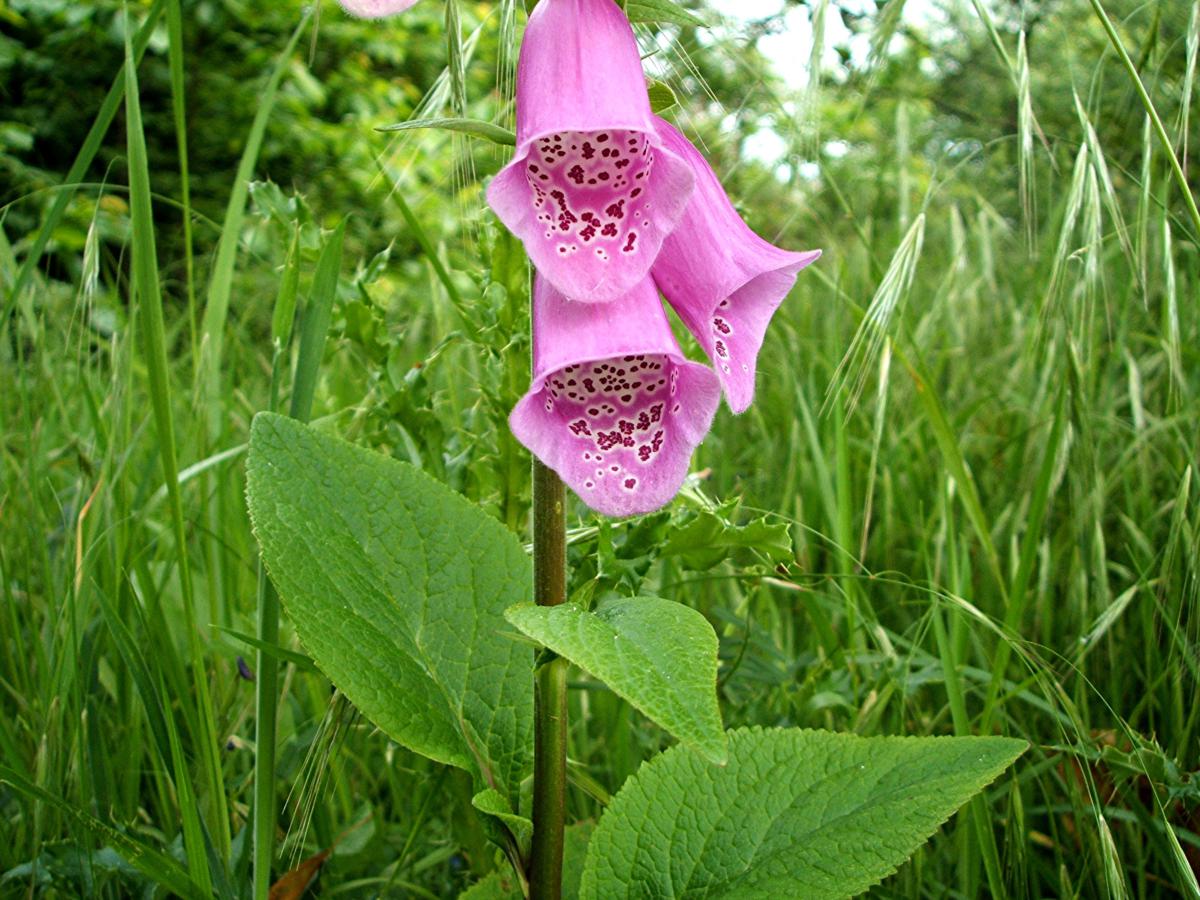
As early as 1785, Digitalis purpura, Foxglove, was used to treat edema and tuberculosis.  Later, it was identified as a treatment for congestive heart failure, leading to the drug digoxin, still an essential drug in the treatment of a-fib and atrial flutter.


Native Americans crushed the needles of the Pacific Yew to use as an anti-inflammatory.  Use had to be carefully managed because the seeds were lethal!  In the 1960's, the cytotoxic properties of these needles were discovered, leading to the isolation of Paclitaxel, which was FDA approved in 1992.  It remains a critical drug in the treatment of breast cancer and Kaposi sarcoma.


Bark from the white willow was used in 400 BC Europe and China to decrease swelling, headache, and fever.  Ancient Egyptians and Assyrians found it a hot commodity in trade.  In 1763 it was found to be effective in treating malaria. Meanwhile....


...Meadow Sweet was used by Celtic and Druid priests in a similar fashion. Later, both meadow sweet and willow bark were found to be sources of Salicylic acid.  Aspirin!!!


Red yeast rice, made by pouring fermented yeast over red rice, was utilized as for its nutritional and medicinal properties for hundreds of years in China.  Later, the combination was found to possess statin-like chemicals.


The American Mandrake, or Mayapple, was first used in the 19th century for its healing powers, especially in the treatment of warts.  In 1835 Dr. John King identified it's compounds and etoposide was created in 1966.  In 1983 the FDA approved this drug for the treatment of cancer - to include lung, Kaposi, testicular, Ewing's, lymphoma, glioblastoma and multiforme cancers.


Poppy leaves and seeds have long been used to aid in rest and sleep.  Opium was isolated in the 19th century leading to the development of codeine and morphine.


The use of ephaedra dates back 5000 years to the treatment of hay fever, colds, and asthma in China!


Camphor was used by the ancients to decrease inflammation and sprains.  It was used in India to treat fever and diarrhea, and with some success in the treatment of cholera in the Naples epidemic of 1854.


And finally, there's good old grain alcohol, used by all sorts of folks for centuries.  In 1831 the inhalation of ether was used for sedation and the use of nitrous oxide in 1844 lead to the development of present day anesthesia.

So, YES!!!  I am a full, wholehearted believer in the power of natural remedies!  I am also a wholehearted believer in the power of snake venom, poison ivy, arsenic, and hemlock.  Man has the power to study and realize the positive and negative effects of all nature's bounty!!!   We would be incredibly foolish to allow the continued loss of acres of rain forest, both for the injury to that individual ecosystem as well as the damage such a loss would inflict on climates across the globe, but  also for the loss of potentially curative plant and animal compounds the bounty of nature has bestowed upon it as well.  (Yes, I am also a huge fan of the film, Medicine Man!  No, not for Sean Connery!!!  For the ants!!!  Okay...and Sean Connery!)

So, Mother Nature ~ Thank you!  Yeah, you gave us the plague and melanoma...but you gave us a lot of other cool stuff, too. I will continue to enjoy your beauty and admire your majesty.  I will also remain a strong advocate for melanoma peeps in real time.  If your bounty will cure us...I will be the first to scream it here and everywhere else I can find an audience.  Until then, I will enjoy your honey and feed your bees with my flowers, blueberries and other pollinator friendly plants.  I will not spray pesticides or harm your critters.  And when we find a cure to melanoma from any of your minions...well, let's just say...the promotion will be HUGE!!! - c

Sunday, February 18, 2018

For J and F, Ed, Stevie and all my other more northern peeps!!!


SPRING is sprung!!!  She's coming!  I know you may still be snow blow'n....but she is on her way.  Here is a first taste of mine...

Maybe I should eat it?  Or make it into a paste?  Everything Cures Melanoma!!! (And yes, we're up to installment #9 - with no actual cure!)  I think I'll just love it!
She may not look like much right this minute (speckled leaf to the right) but I am pleased to see her.  She is one of two trout lilies I have planted along the edge of my creek.  They have yet to bloom, but they have come back every year. 
Here's one in Cades Cove doing her thing!!!
With all the nasty that life and weirdos and melanoma can dish out - it is still a Wonderful World (Thanks, Louis!)!

If you want a bigger and even more beautiful look at SPRING in what I also consider "my backyard" ~ check this out:  April in Cades Cove, 2015.

"I see trees of green, red roses, too.   I see friends shaking hands, saying 'How do you do?'  They're really saying, 'I love you!'"     ~ Oh, YES!!!! - les

Wednesday, January 10, 2018

Everything Cures Melanoma!!! (And yes, we're up to installment #9 - with no actual cure!)


Yes, I look forward to the day when I can make that announcement with no sarcasm and cease to make these crazy lists!  Here's the link to the last installment:  Everything Cures Melanoma....#8  Sigh.  Until then....

We have known for sometime that psychotropic agents like Thorazine kills melanoma.  Now:

Psychotropic agent thioridazine elicits potent in vitro and in vivo anti-melanoma effects. Jiang, Chen, Shen, et al. Biomed Pharmacother. 2017 Nov.

Psychotropic agents have been shown anti-tumor potential in recent years. In the present study, our in vitro pharmacological data indicated that thioridazine inhibited melanoma cells proliferation. The growth-arresting effect of thioridazine was accompanied by autophagy induction, as shown by immunoblotting of increased LC3II. Besides, certain apoptotic events had also occurred after thioridazine exposure. The in vivo anti-melanoma effect of thioridazine was confirmed by showing that intraperitoneally injection of thioriazine remarkably retarded tumor growth and reduced tumor vasculature. Our results imply that thioridazine might be an available therapeutic agent for melanoma patients with no better options.
Of course, that does leave the tiny little hiccup of having to take psychotropic agents...among other things!!!
Antimelanomic Effects of High- and Low-Molecular Weight Bioactive Subfractions Isolated from the Mossy Maze Mushroom, Cerrena unicolor (Agaricomycetes). Statkiewicz, Matuszawska, Jaszek.  Int J Med Mushrooms. 2017

Three bioactive fractions isolated from Cerrena unicolor cultures-crude endopolysaccharide (c-EPS), laccase, and a subfraction of low-molecular weight secondary metabolites-were used to determine potential cytotoxic effects on the mouse melanoma B16-F10 cell line (American Type Culture Collection CRL-6475). The results obtained prove that all examined fractions exhibited activity against the investigated tumor cells. In addition, an evident immunomodulatory effect of the c-EPS fraction was observed. Our results show that the levels of 2 cytokines (tumor necrosis factor-a and chemokine ligand 2) in mouse inner medullary collecting duct mIMCD-3 cells (American Type Culture Collection CRL-2123) stimulated by c-EPS were significantly higher. A lipopolysaccharide model was used at the same concentration (10 μg/mL) as a positive control.


Yes, mossy maze mushrooms look like lichen I see on trees everywhere....but there you go!  Wanted you to see it just in case you thought anti-melanoma effects were limited to Shiitakes! (If you're interested in that one, check out this post from 2012: Shiitakes - Much ado about mushrooms! And speaking of lichen....

The Polysaccharide Extracted from Umbilicaria esculenta Inhibits Proliferation of Melanoma Cells through ROS-Activated Mitochondrial Apoptosis Pathway. Sun, Li, Zhang, et al. Biol Pharm Bull. 2018;41.

Cooked!
Raw as found in nature...
Melanoma is one of the most aggressive skin cancers with an increasing rate of morbidity. Umbilicaria esculenta is an edible lichen and its main component of extracts-polysaccharide (PUE) has shown significant antitumor effects in a variety of cancer types such as stomach adenocarcinoma. However, whether it has an anti-melanoma effect and the underlying mechanism has not been revealed. In this article, we showed that PUE extracted from Umbilicaria esculenta could inhibit the growth of A875 and A375 melanoma cells but without obvious toxicity to normal vascular endothelial cells. The generation of reactive oxygen species (ROS) in A875 cells was significantly elevated when treated with PUE for 24h. In addition, the expression of caspase-3 and -9 also increased as compared to the controlled group which resulted in the apoptosis of A875 melanoma cells. In the meantime, when pre-treated with N-acetylcysteine (NAC), the ROS scavenger, PUE induced apoptosis and cell death could be reversed via suppression of elevated generation of ROS and ROS-mediated caspase-9 expression. In summary, our study demonstrated that PUE extracts from Umbilicaria esculenta have a potent anti-melanoma effect through the induction of ROS and caspases-3 and -9. It could provide a promising strategy of melanoma therapy with the components from the extracts of natural and edible plants such as lichen Umbilicaria esculenta.

The more you know!!!  Apparently pretty delicious and part of Korean cuisine!
Dietary Crocin Reverses Melanoma Metastasis. Bakashi, Lukmanul, Sam, and Javid. J Biomed Res. 2017 Nov 1.

Crocus sativus and its bioactive constituent crocin are well known for anti-tumor potential in different models. However, the efficacy of crocin on in-vivo melanoma metastasis is not yet reported. In this study, melanoma metastatic model was developed by tail vein injection of B16F-10 cells in to C57BL/6 mice. Metastatic mice treated with two different doses of crocin (250 and 500 µg/kg of bodyweight) for 10 days and parameters such as lung metastasis inhibition, mean survival time, lung hydroxyproline, uronic acid and hexosamine levels were analyzed after 21 days of treatment. Then blood was collected and serum gamma glutamyl transpeptidase (g-GGT), sialic acid, tumor necrosis factor alpha (TNF-a), interleukin 10 (IL-10), IL-6, IL-2, and TIMP-1 levels were measured. Further, a lung histological examination was done in crocin treated metastatic mice. Subsequently hallmark metastatic parameters such as matrix metalloproteases (MMPs), extracellular regulated kinase 2 (ERK2), vascular endothelial growth factor (VEGF), and K-ras gene expression were investigated in the lungs of crocin treated metastatic mice. Further, in-vitro adhesion, invasion and migration of B16F-10 cells were examined after 24 h of crocin (5 and 10 µg/mL) treatment. Administration of crocin to tumor bearing C57BL/6 mice reduced the lung metastasis by 85%. Elevated levels of hydroxyproline, uronic acid, hexosamine, serum sialic acid andg-GGT in metastatic control were found to be significantly reduced in crocin treated mice. Crocin also inhibited expression of MMP-2, MMP-9, ERK-2, K-ras, and VEGF. Crocin reduced the ability of B16F-10 cells invasion, migration and adhesion by upregulating E-cadherin expression. In conclusion, crocin elicited marked anti-metastatic potential by regulating the metastasis induced biomarkers.

And what, you might ask, is Crocus Sativus.....that so helpfully cured these poor little mice???

Yep, my favorite Harbinger of Spring....the pretty, tiny, unassuming crocus that grows from bulbs.

It is not clear from the report if they are referring to using the bulbs, leaves, petals, or the super pricey saffron threads harvested from the crocus.  If it's the saffron threads themselves...that may set your bank account back just as much as immunotherapy!!!
Ciprofloxacin-mediated induction of S-phase cell cycle arrest and apoptosis in COLO829 melanoma cells. Beberok, Wrzesniok, Minecka, et al. Pharmacol Rep. 2017 Jul 16.

Low effectiveness of anti-melanoma therapies makes it necessary to search for new drugs that could improve or replace the standard chemotherapy. Fluoroquinolones are a group of synthetic antibiotics, used in the treatment of wide range of bacterial infections. Moreover, this class of antibiotics has shown promising anti-tumor activity in several cancer cell lines. The aim of this study was to examine the effect of ciprofloxacin on cell viability, apoptosis and cell cycle distribution in COLO829 melanoma cells.  Cell viability was evaluated by the WST-1 assay. Cell cycle distribution and apoptosis in cells exposed to ciprofloxacin was analyzed by the use of fluorescence image cytometer NucleoCounter NC-3000.  Ciprofloxacin decreased the cell viability in a dose- and time-dependent manner. For COLO829 cells treated with ciprofloxacin for 24 h, 48 h and 72 h the values of IC50 were found to be 0.74 mM, 0.17 mM and 0.10 mM, respectively. The oligonucleosomal DNA fragmentation was observed when the cells were exposed to ciprofloxacin in concentration of 1.0 mM for 48 h and 72 h. At lower ciprofloxacin concentrations (0.01 mM and 0.1 mM) cells were arrested in S-phase suggesting a mechanism related to topoisomerase II inhibition. Moreover, it was demonstrated that ciprofloxacin induced apoptosis as a result of mitochondrial membrane breakdown.  The obtained results for COLO829 melanoma cells were compared with data for normal dark pigmented melanocytes and the use of ciprofloxacin as a potential anticancer drug for the treatment of melanoma in vivo was considered.

So this is all rather old, in terms of how melanoma treatment is addressed, but in the petri dish it seems cipro  decreased the viability of melanoma cells.  Okay.  Plus...there's this....

The effect of ciprofloxacin on the growth of B16F10 melanoma cells. Jaber, Jallad, Abdelnoor. J Cancer Res Ther. 2017 Oct-Dec;13.

The antitumor effect of ciprofloxacin has been widely assessed in-vitro, and positive results have been reported. The aim of this study was to investigate the influence of ciprofloxacin treatment on the growth of B16F10 melanoma cells both in-vitro and in-vivo.

Groups of C57BL/6 female mice challenged with B16F10 melanoma cells were kept untreated or were treated with sterile water, intraperitoneal ciprofloxacin, or ciprofloxacin through drinking water for 10 days. The serum levels of vascular endothelial growth factor (VEGF) were measured by ELISA 1 and 3 h after the last dose of ciprofloxacin. Mice were monitored for an additional 10 days for survival assessment. Moreover, B16F10 melanoma cells were cultured in 24-well plates and exposed to different concentrations of ciprofloxacin (10-1000 μg/ml). Viability was determined, after 24 and 48 h, using trypan blue.


The serum levels of VEGF significantly decreased in ciprofloxacin-treated mice when compared to the controls. None of the control mice survived beyond day 8, whereas 16.67% of those treated with ciprofloxacin survived up to 18 days. In addition, the viability of B16F10 melanoma cells, in-vitro, significantly decreased with increasing concentrations of ciprofloxacin after 24 and 48 h.


Ciprofloxacin seems to exhibit antitumor activity both in-vivo and in-vitro. This effect might be explained by several mechanisms such as directly inducing cancer cell death or altering the immune response through the modification of the normal microbiota.

So in little mice and petri dishes, ciprofloxin, a fairly common antibiotic "exhibits antitumor activity".  Though their commentary about "altering the immune response through the modification of the normal microbiota" is NOT a good thing if you believe this report:  Antibiotic use MAY decrease effectiveness of immunotherapy?????  Not to mention the more recent: Science magazine: Precision medicine using microbiota Researchers really need to learn to communicate and discuss their results!!!

Non Polar compounds of Persian Gulf Sea Cucumber Holothuria parva Selectively Induce Toxicity on Skin Mitochondria isolated from animal Model of Melanoma. Arast, Seyed, Nazemi, et al. Cutan Ocul Toxicol. 2017 Dec 12.  

Melanoma is a highly aggressive and deadly cancer with a poor prognosis given its drug resistance. A defect in apoptosis is one of the key mechanisms that contribute to drug resistance in Melonama. An important sea marine animal is the Holothuria parva, also known as the sea cucumber, which has various pharmacological activities. Compounds obtained from sea cucumbers have shown to have anticancer activity through induction of apoptosis singling.


In the present study, selective toxicity and apoptotic effect of three extracts of Holothuria parva (H. parva) were assessed on skin mitochondria isolated from mouse animal models of melanoma. The mitochondria was isolated from melanoma cells via differential centrifuges and treated with various concentrations (250, 500 and 1000 µg/ml) of metanolic, diethyl ether and n-hexane extracts of H. parva.


All the applied concentrations (250, 500 and 1000 µg/ml) of three extracts of H. parva increased the reactive oxygen species (ROS) generation only in the skin mitochondria isolated from melanoma cells group (In comparison to the control group). Additionally, all three extracts (250, 500 and 1000 µg/ml) induced swelling within the mitochondria, the collapse of the mitochondrial membrane potential (MMP) and the release of cytochrome c from the mitochondria. Flow-cytometry analysis demonstrated that n-hexane and diethyl ether extracts of H.parva selectively and progressively induced apoptosis only on melanoma but not healthy control skin cells group

Given these results, the potentially bioactive compounds found in H. parva render it a strong candidate for further research in molecular identification and confirmatory in-vivo studies. Clinical trials are also warranted in the general process of novel drug discovery for the treatment of melanoma cancer.


I feel it is important to note that this little feller' is not just any ol' sea cucumber.  No!  He is a Persian Sea Cucumber Holothuria Parva!!!  Just in case you were going to make a sea cucumber slurry to sprinkle on the random melanoma mitochondria you have sitting around in your petri dishes!!!

MMP-Inhibitory Effects of Flavonoid Glycosides from Edible Medicinal Halophyte Limonium tetragonum. Bae, Karadeniz, Oh, et al. Evid Based Complement Alternat Med. 2017 Sep 20.

Limonium tetragonum has been well-known for its antioxidative properties as a halophyte. This study investigated the antimetastasis effect of solvent-partitioned L. tetragonum extracts (LTEs) and isolated compounds on HT1080 mouse melanoma cell model with a focus on matrix metalloproteinase (MMP) activity and TIMP and MAPK pathways. Upregulation and stimulation of MMPs result in elevated degradation of extracellular matrix which is part of several complications such as metastasis, cirrhosis, and arthritis. The anti-MMP capacity of LTEs was confirmed by their MMP-inhibitory effects, regulation of MMP and TIMP expression, and suppression of MAPK pathway. Among all tested LTEs, 85% aq. MeOH and n-BuOH were found to be most active fractions which later yielded two known flavonoid glycosides, myricetin 3-galactoside and quercetin 3-o-beta-galactopyranoside. Anti-MMP potential of the compounds was confirmed by their ability to regulate MMP expression through inhibited MAPK pathway activation. These results suggested that L. tetragonum might serve as a potential source of bioactive substances with effective anti-MMP properties.


Hey!  I swear this is the same as the pretty, paper-like, stiff, long-lasting, long stemmed flower that is in mixed bouquets you can get from Wally World!!!  Hmmm.....  

Oral treatment with a rattlesnake native polypeptide crotamine efficiently inhibits the tumor growth with no potential toxicity for the host animal and with suggestive positive effects on animal metabolic profile. Campeiro, Marinovic, Carapeto, et al. Amino Acids. 2017 Dec 12.

The efficacy of crotamine as antitumoral was first demonstrated by daily intraperitoneal (IP) injections of low doses of this toxin in an animal model bearing melanoma tumors. Significant inhibition of tumor growth and increased lifespan of mice bearing tumor was also noticed after 21 consecutive days of this daily IP administration of crotamine. However, due to the limited acceptance of treatments by IP route in clinical conditions [No, I can see that injecting stuff into your abdomen wouldn't be the preferred route for drug consumption by many!!!] herein, we evaluated the antitumor effect of this native polypeptide employing the oral route. The efficacy of crotamine in inhibiting the melanoma growth in vivo, even after passing through the gastrointestinal tract of the animal, was confirmed here. In addition, biochemical biomarkers and also histopathological analysis showed both the absence of any potential toxic effects in tissues or organs of the animal in which the highest accumulation of crotamine is expected. Interestingly, a reduction of weight gain was observed mainly in animals with tumor treated with crotamine by IP route, but not by oral administration. Albeit, oral administered crotamine was able to significantly decrease the body weight gain of healthy animals without tumor. Taking advantage of this same experimental animal models receiving crotamine by oral route, it was possible to show metabolic changes as the increased capacity of glucose clearance, which was accompanied by a reduction of the total cholesterol, and by increased high-density lipoprotein levels, both observed mainly in the absence of tumor. Triglycerides and low-density lipoprotein were also significantly decreased, but only in the absence of tumor. Taken together, these data suggest a clear trend for metabolic positive effects and mischaracterize unhealthy condition of animals, with or without tumors, treated with crotamine for 21 days. In addition, this study confirmed the efficacy of crotamine administered by oral route as antitumor agent, which besides the additional advantage of administration convenience and decreased risk of toxic effects, allowed the serendipitous observation of several positive metabolic effects on treated animals.

Damn, while croatamine helped mice with melanoma a little, this shiz is the new lipitor...producing weight loss and decreased cholesterol in mice who did NOT have tumors!!!!  Just when you think injecting snake venom into the abdomen of little mice or putting it in their kibble couldn't get any weirder!  Mother Nature...what do you think of that kink in your food chain????

Well!!!  All of that is a lot of business, isn't it????  (Not to mention all the ground that is covered in the prior posts!!!!)  I never say NEVER!!!  Ha!  Here's hoping.....as I nibble my lichen, pop my cipro and thorazine, with a glass of red wine and dine on curry over saffron flavored rice with a bit of kimchi and mustard on the side!!!  After dinner coffee, anyone???  - c